
Chalcanthite
Chalcanthite is a water soluble copper sulfate. As chalcanthite is a copper mineral, it can be used as an ore of copper. However, its ready solubility in water means that it tends to crystallize, dissolve, and recrystallize as crusts over any mine surface in more humid regions. Therefore, chalcanthite is only found in the most arid regions in sufficiently large quantities for use as an ore.
Secondarily, chalcanthite, due to its rich color and beautiful crystals, is a sought after collector's mineral. However, as with its viability as an ore, the solubility of the mineral causes significant problems. First, the mineral readily absorbs and releases its water content, which, over time, leads to a disintegration of the crystal structure, destroying even the finest specimens. It is critical to store specimens properly to limit exposure to humidity. Second, higher quality crystals can be easily grown synthetically, and, as such, there is a concern that disreputable mineral dealers would present a sample as natural when it is not.
Chalcanthite's blue color is one of its most notable features, but it is insufficient in identification. Other useful tests include associated minerals, crystal habit, solubility and subsequent coloring of the water blue, and taste. A special note on tasting chalcanthite, however: chalcanthite has a sweetly metallic taste, but taste testing should not be done haphazardly. The specimen should be never touched with the tongue, as chalcanthite is poisonous. The liquid from chalcanthite will also stain skin blue for several days.
Information above from http://en.wikipedia.org/wiki/Chalcanthite
Most of the Chalcanthite sold to collectors is laboratory grown and presents an excellent electric blue display specimen for your cabinet. Chalcanthite should always be kept inside a cabinet to prevent young children from reaching out and touching the "pretty blue rock"

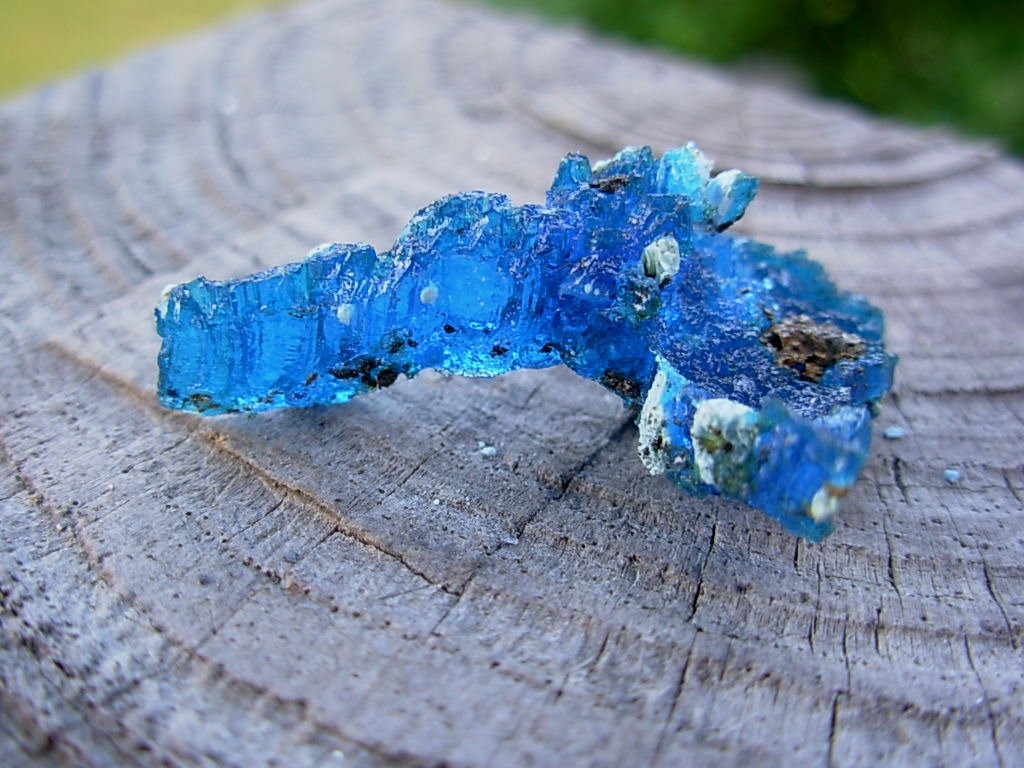
Item #1CHN10160001
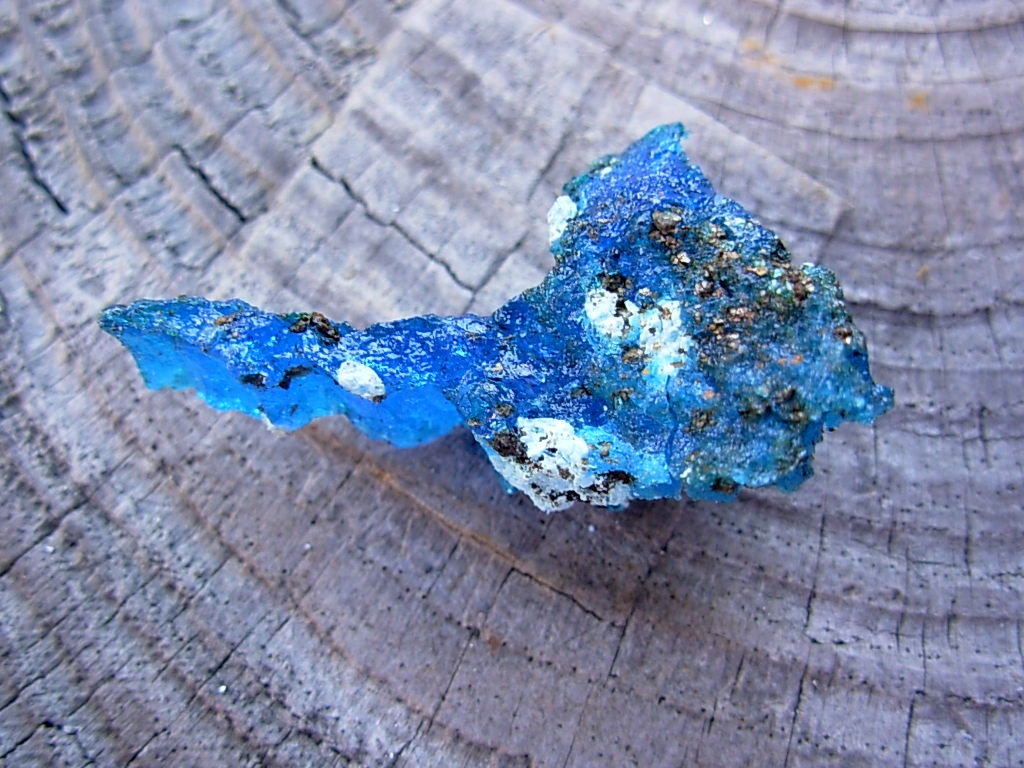
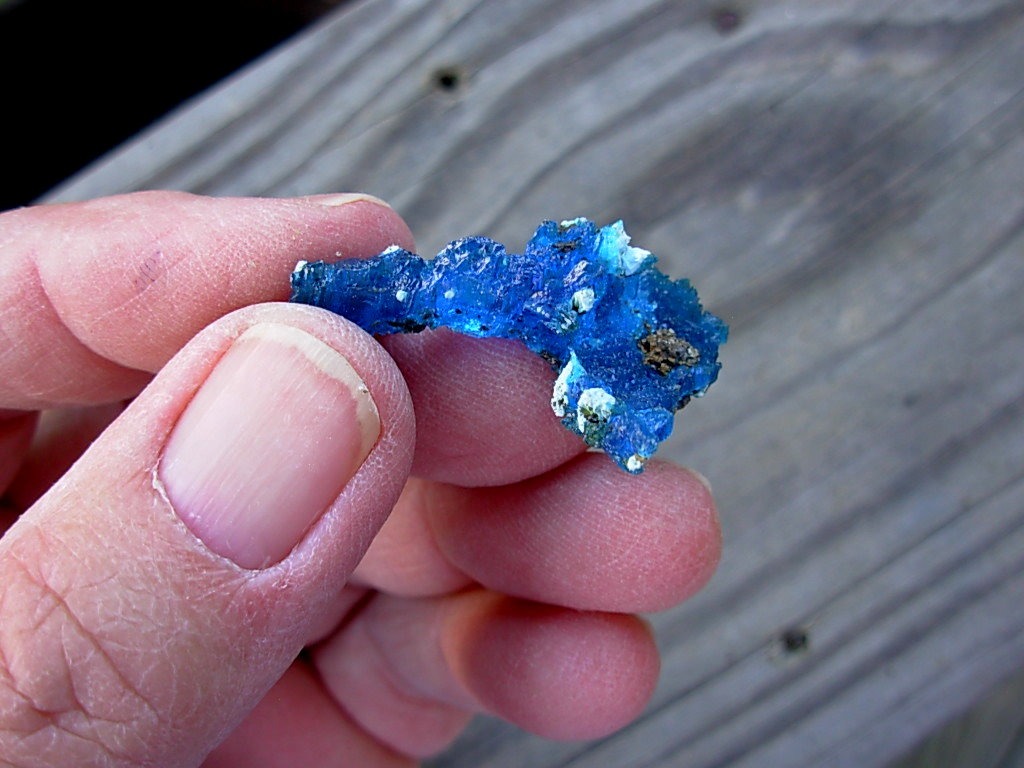
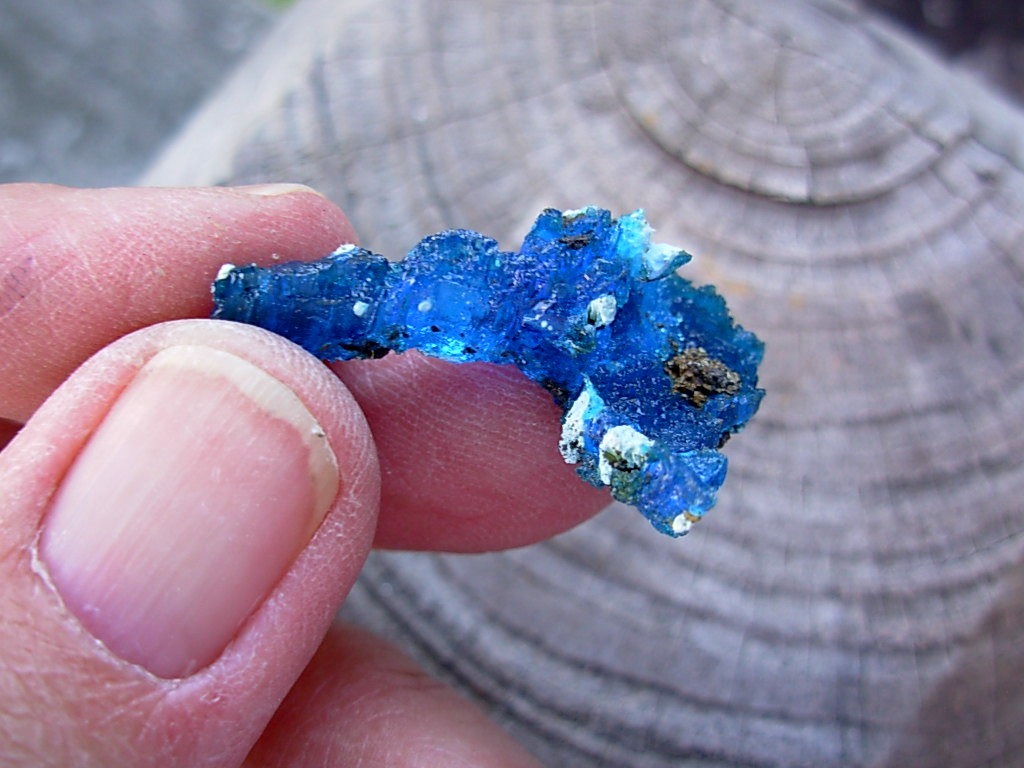
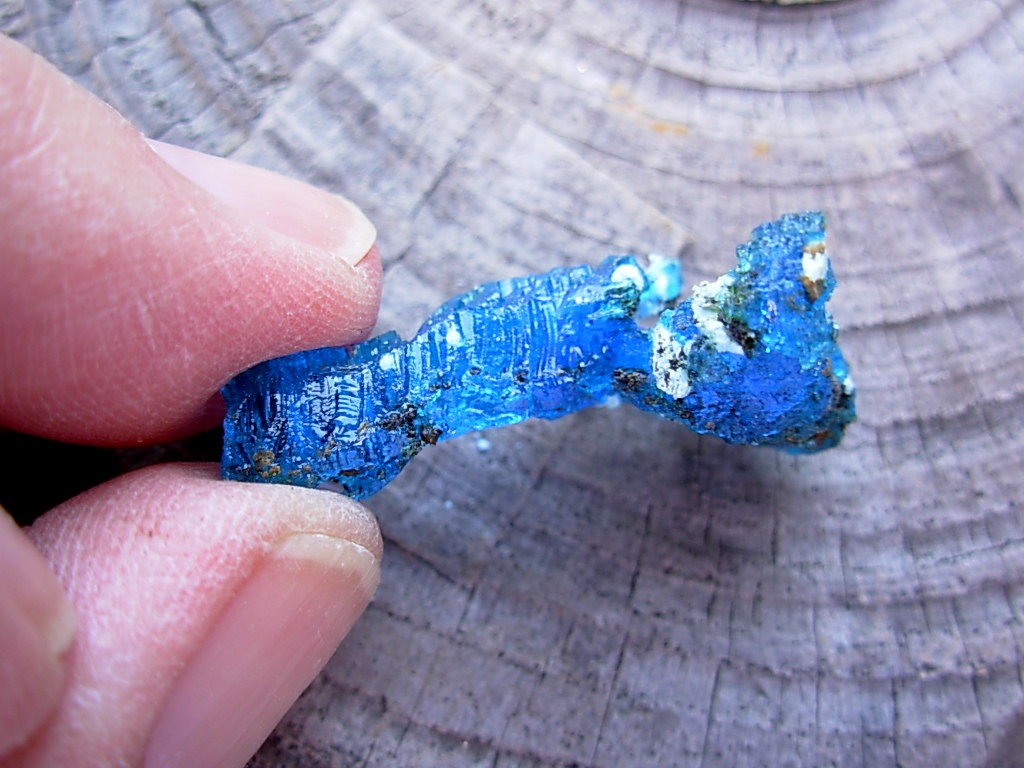
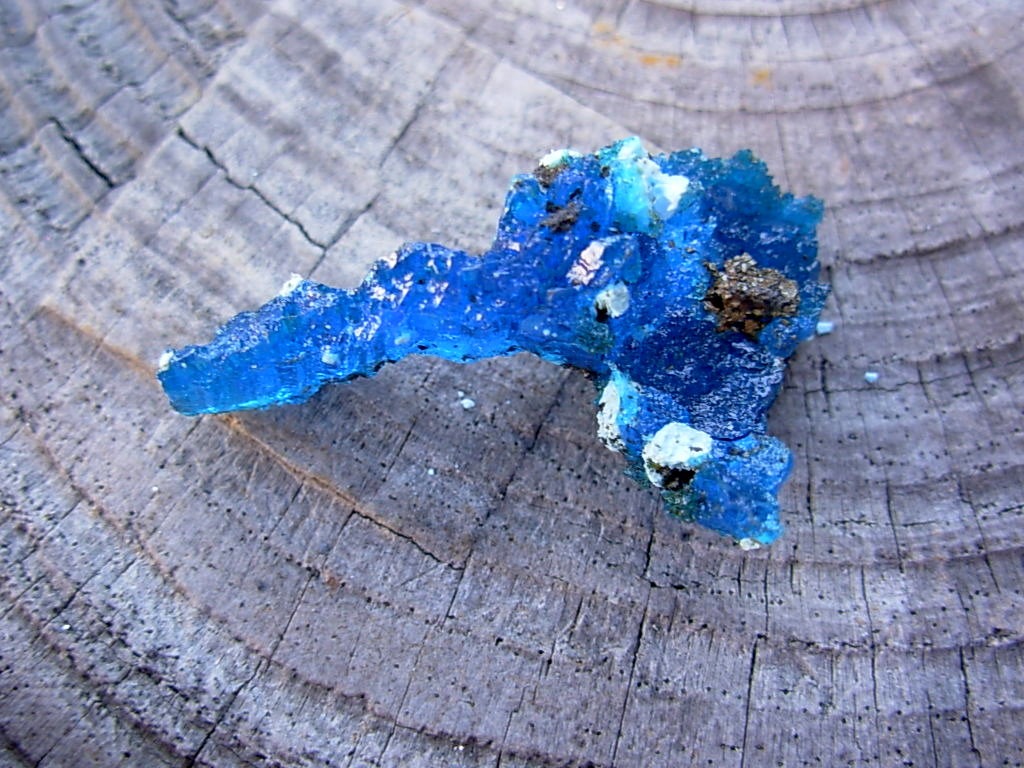
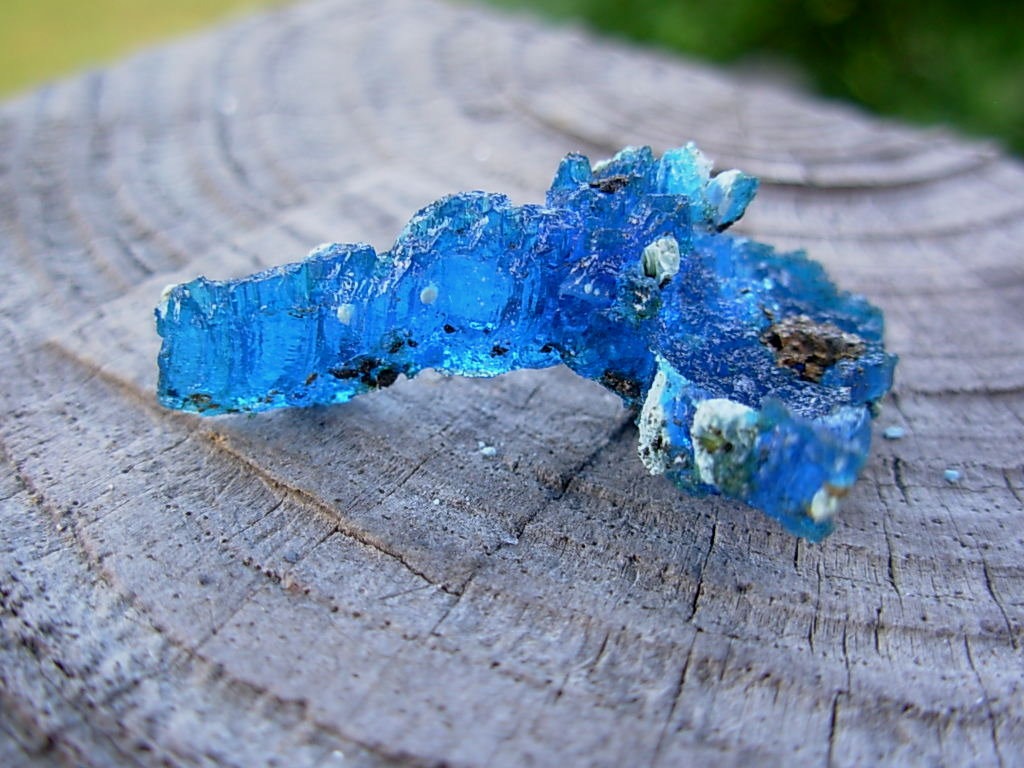
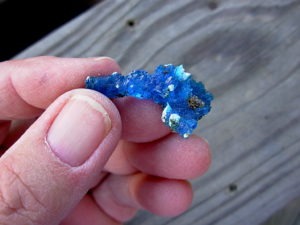
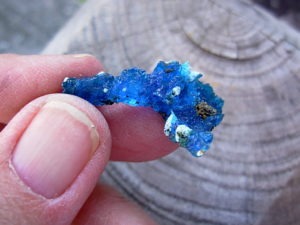
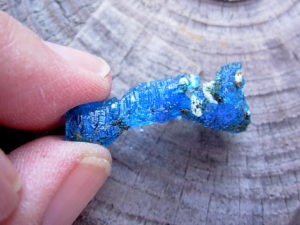
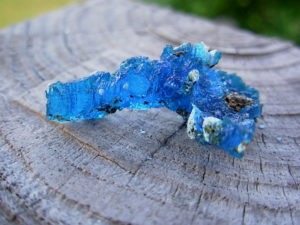
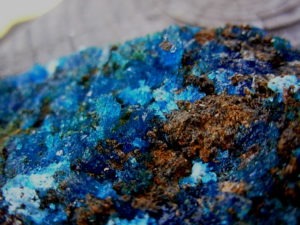
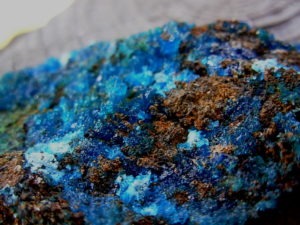
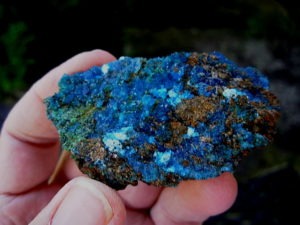
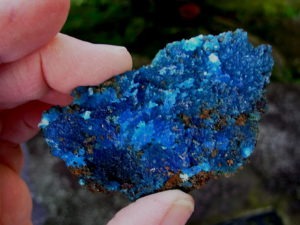
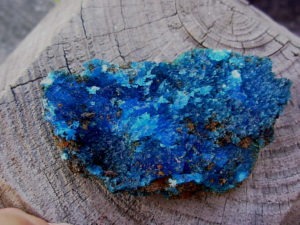
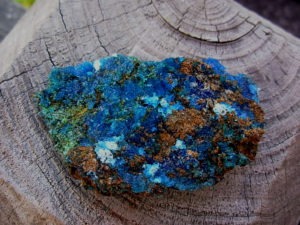
Natural Blue Chalcanthite from New Mexico

Beautiful Natural Electric Blue Chalcanthite display specimen.
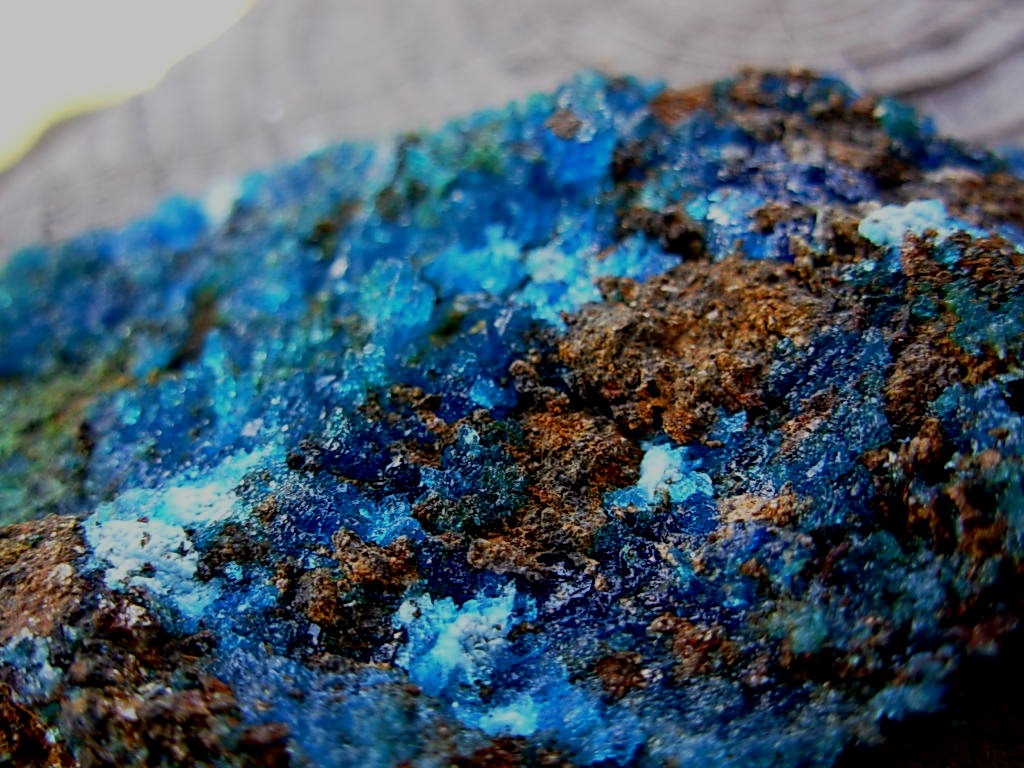
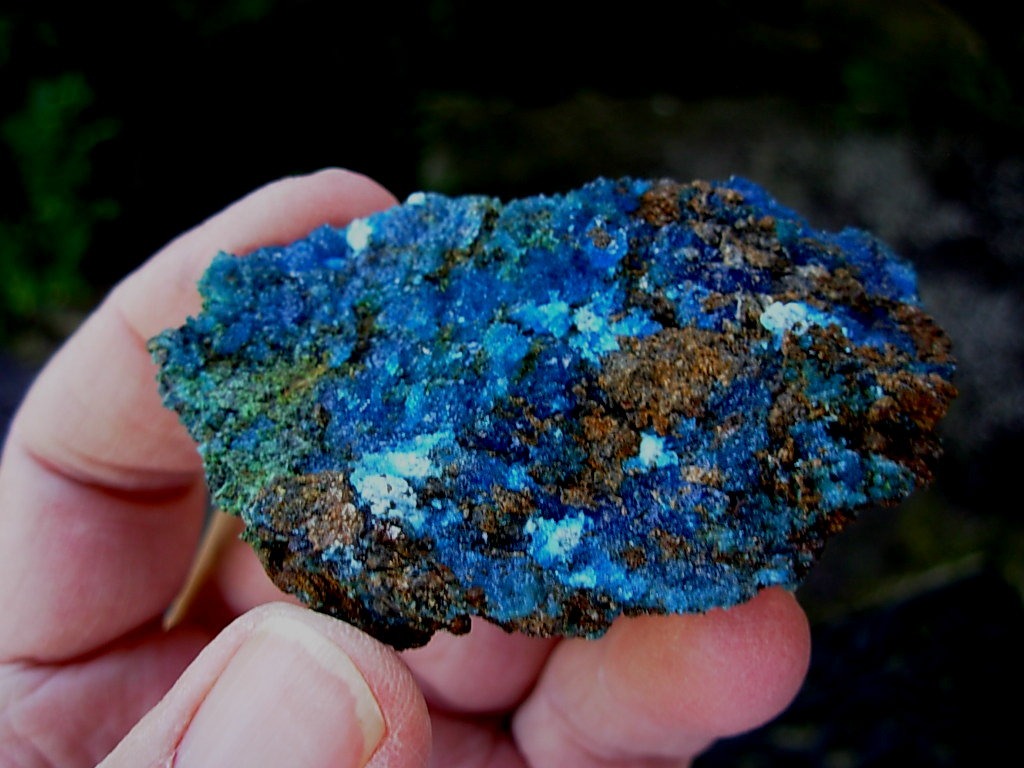
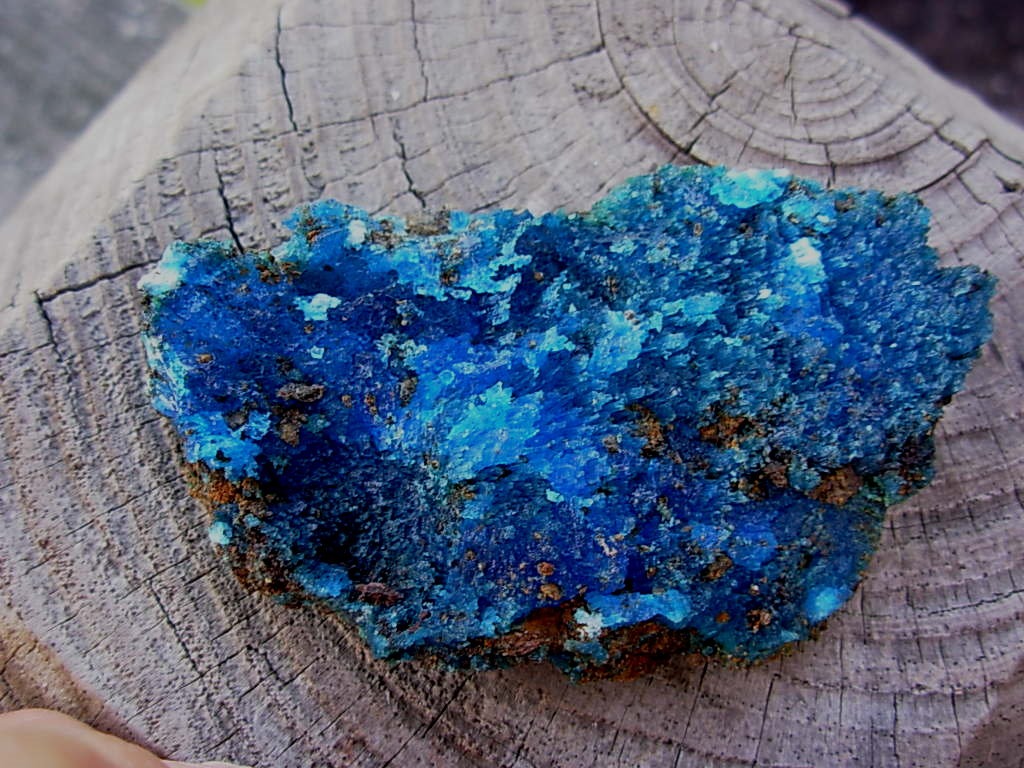
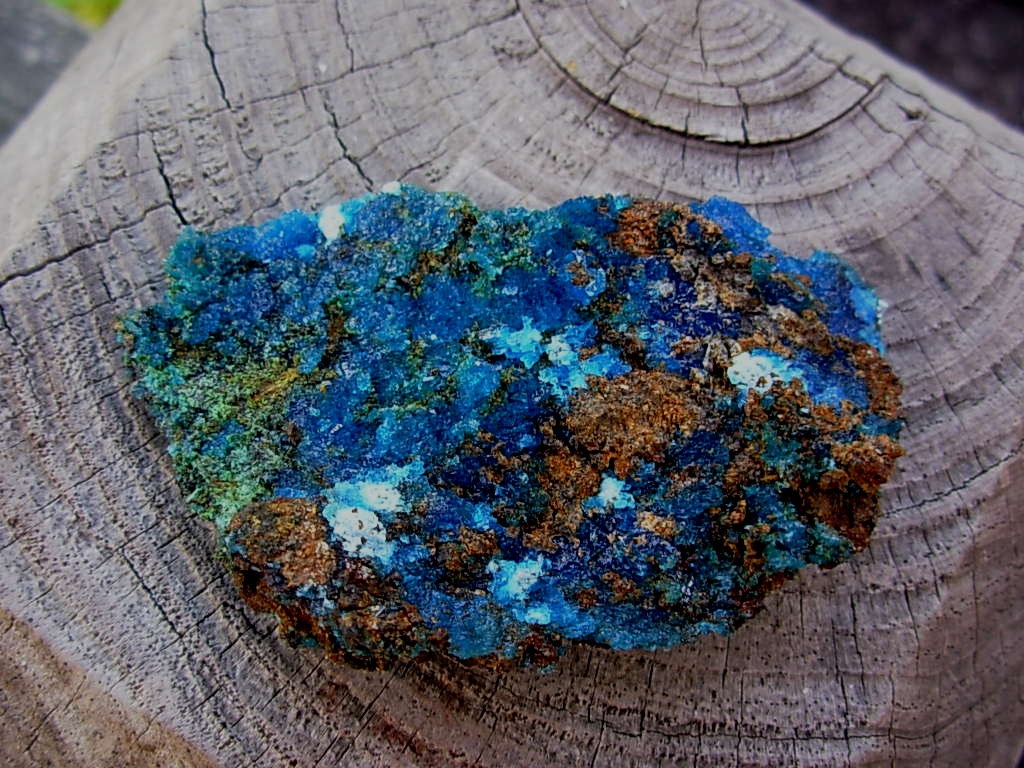
This specimen is from our personal collection and is a beautiful example of natural secondary copper crystals from Socorro, New Mexico. The color is an excellent shiny electric blue with a nicely formed crystal formation. This crystal has been sprayed with polyurethane to help seal out the moisture. These crystals will disintegrate if kept in an environment with moisture unless they are sealed. This is a natural specimen collected by a geology/mining student at New Mexico Institute of Mining and Technology (New Mexico Tech) from a copper mine in the Magdalena Mountains near Socorro, NM. It has been in our collection for over 20 years now.
This specimen weighs 2.5g and measures 1.3 x 0.6 x 0.3 inches (35 x 17 x 9mm)

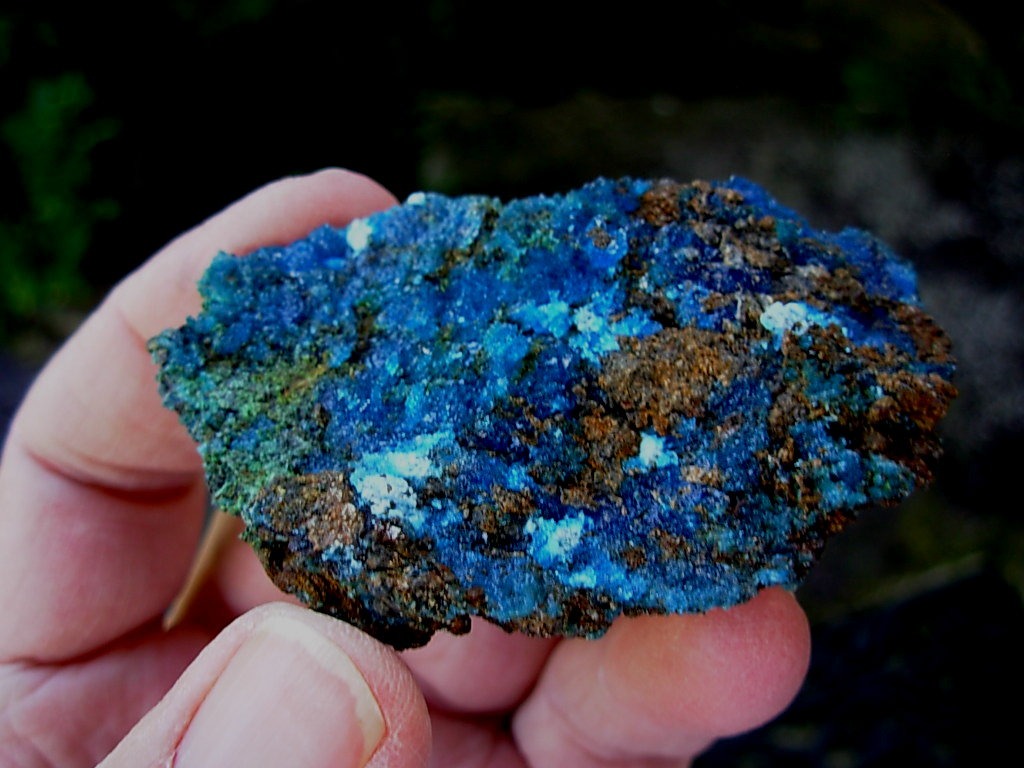
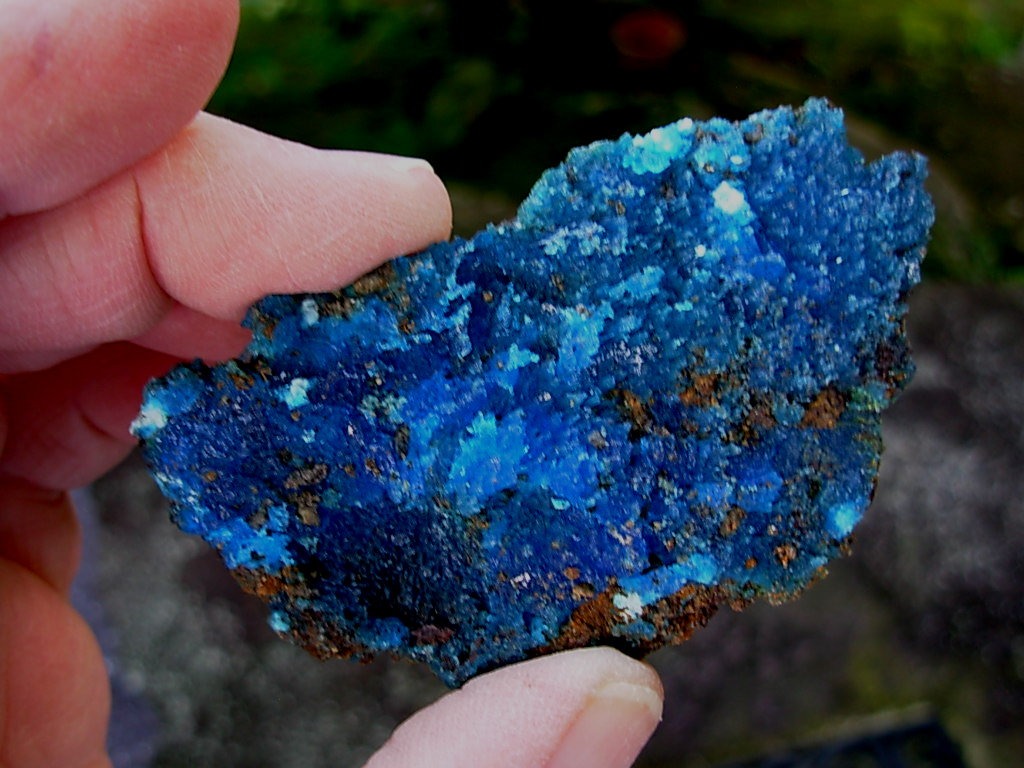
Item #2CHN10160002
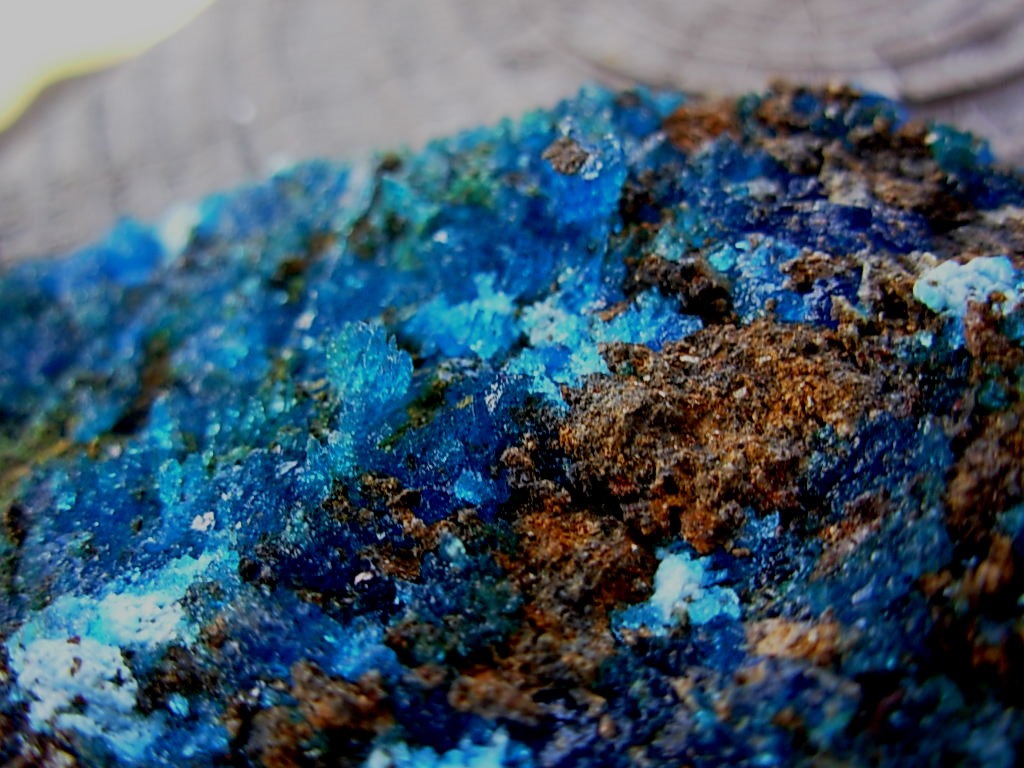
Natural Blue Chalcanthite from New Mexico
Beautiful Natural Electric Blue Chalcanthite display specimen.
This specimen is from our personal collection and is a beautiful example of natural secondary copper crystals from Socorro, New Mexico. The color is an excellent shiny electric blue with many nicely formed crystal formations on two sides. This crystal specimen has been sprayed with polyurethane to help seal out the moisture. These crystals will disintegrate if kept in an environment with moisture unless they are sealed. This is a natural specimen collected by a geology/mining student at New Mexico Institute of Mining and Technology (New Mexico Tech) from a copper mine in the Magdalena Mountains near Socorro, NM. It has been in our collection for over 20 years now.
This specimen weighs 24g and measures 2.7 x 1.6 x 0.3 inches (69 x 41 x 9.7mm)

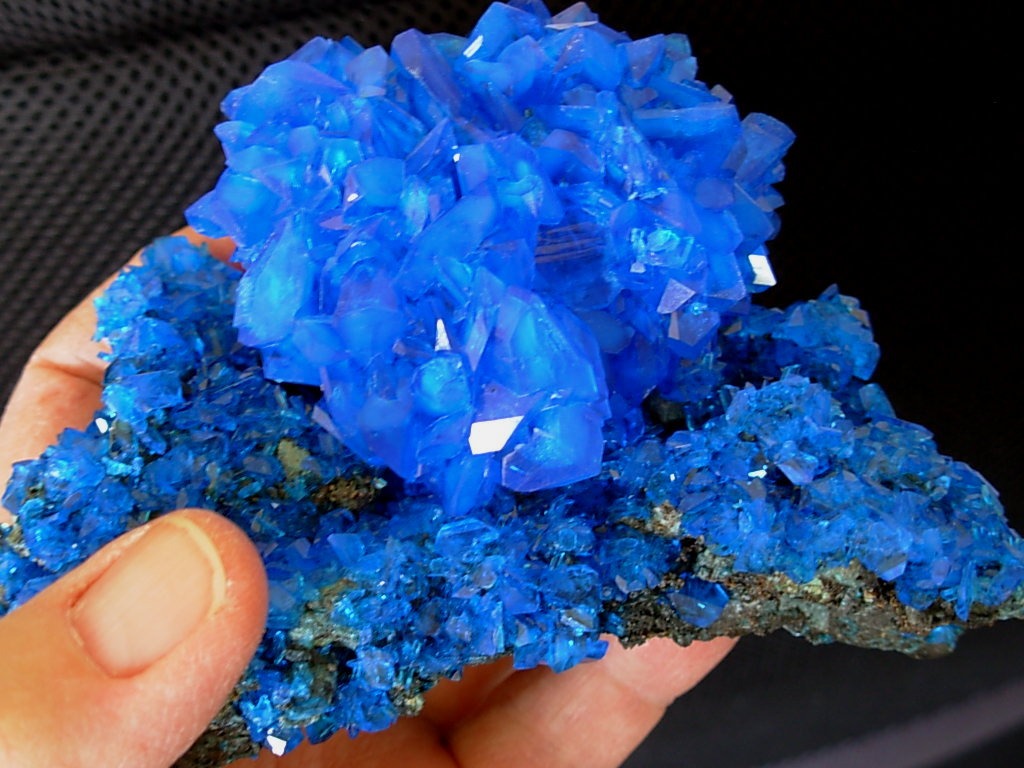
Item #CHLG02127853
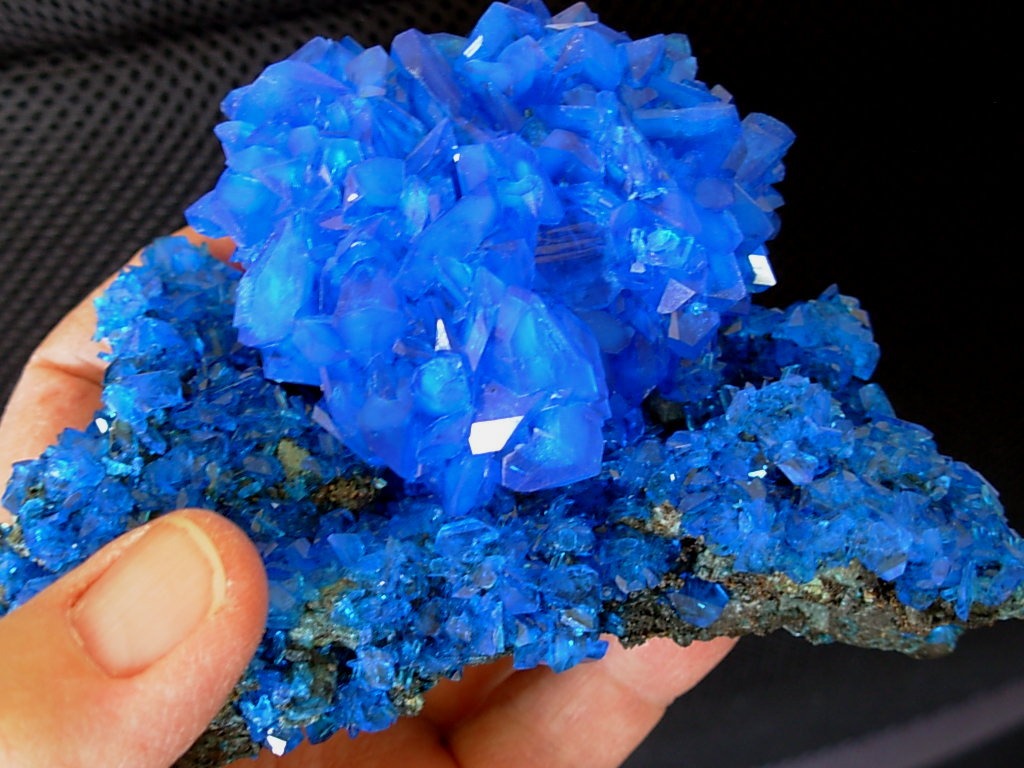
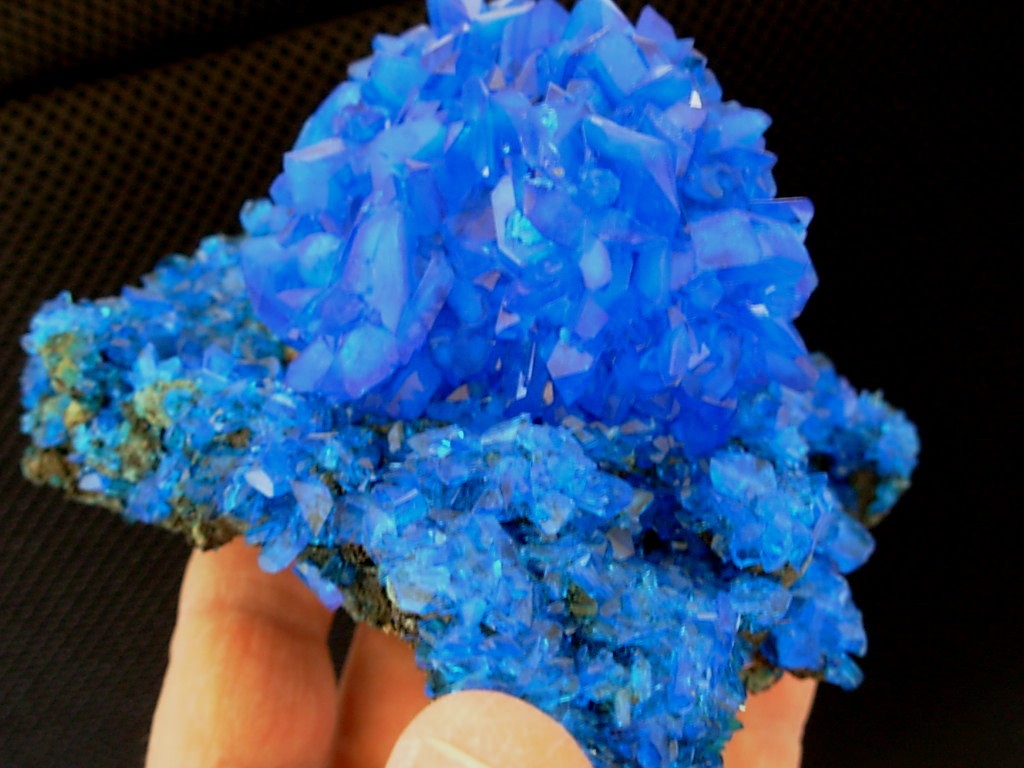
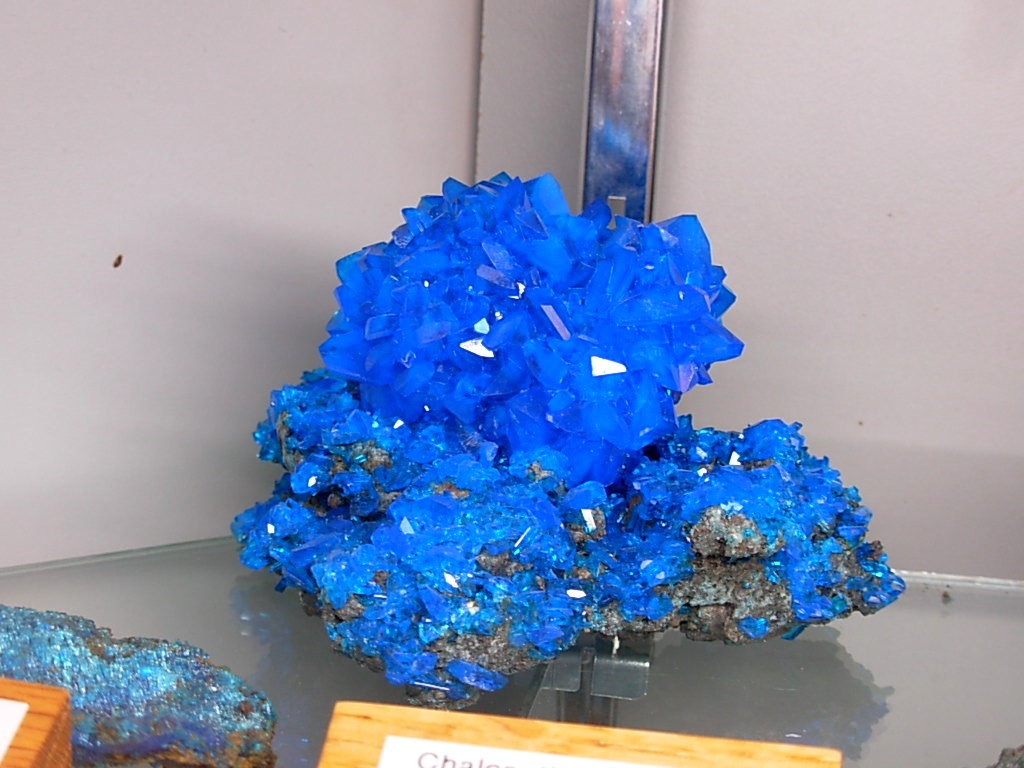
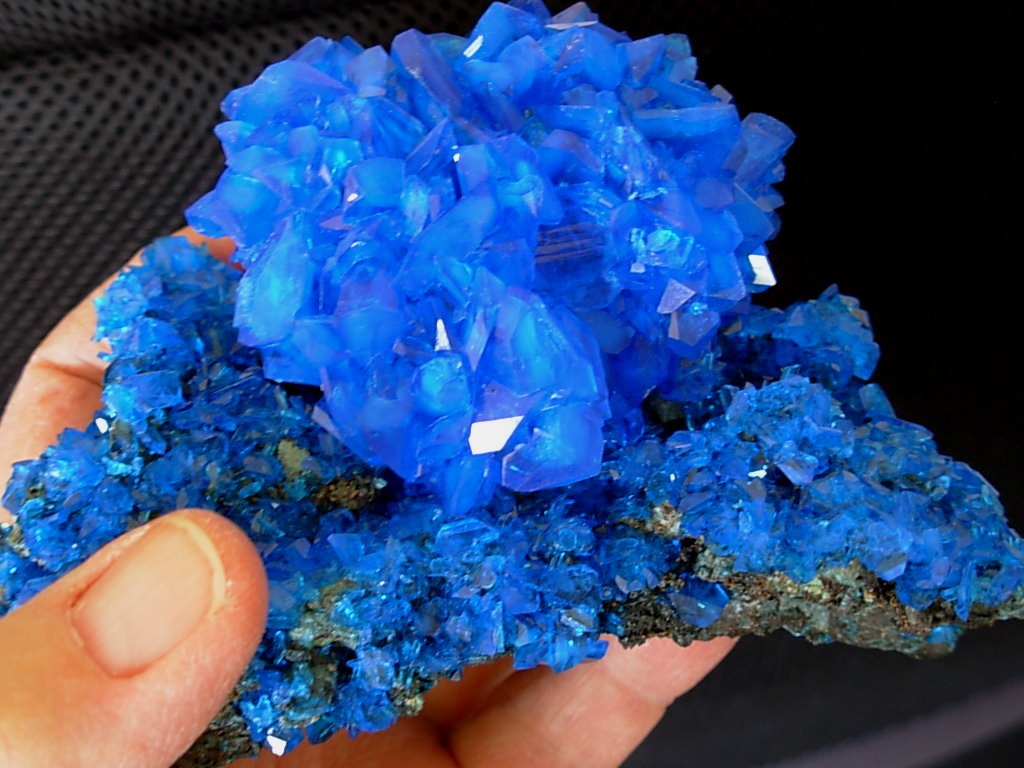
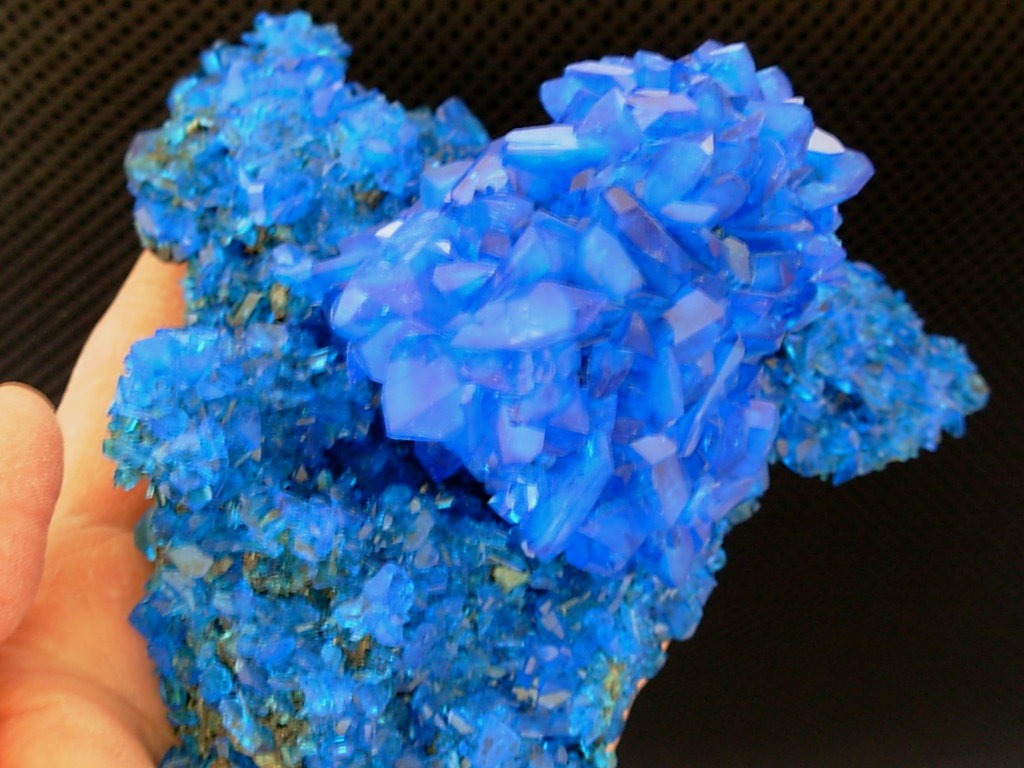
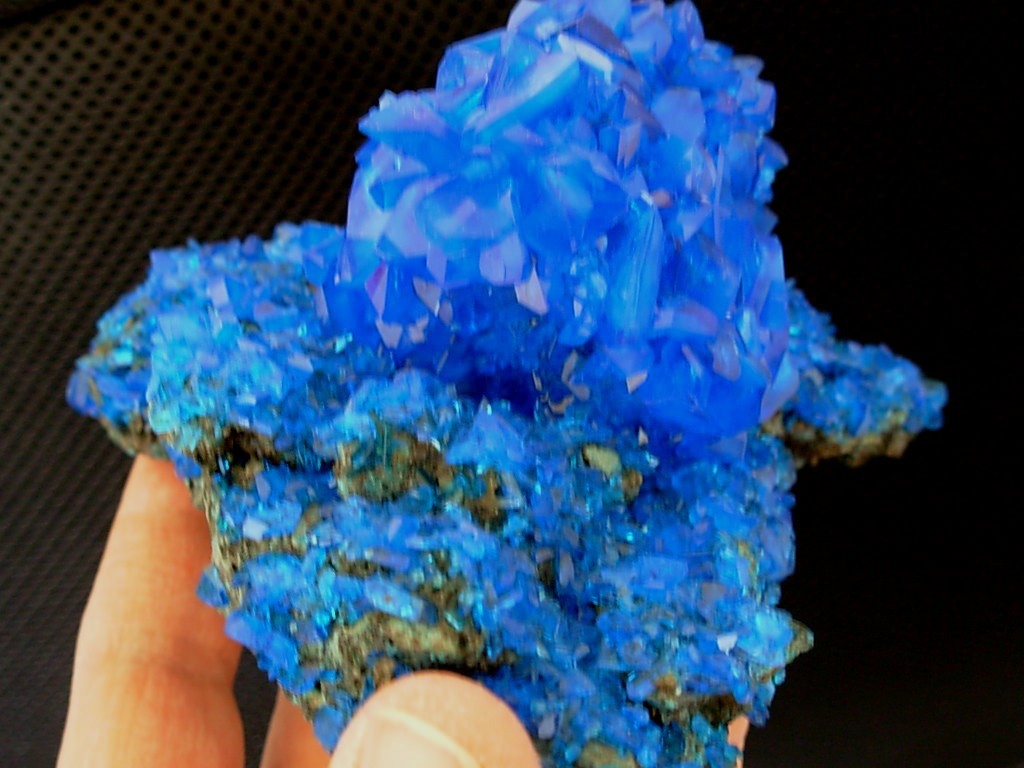
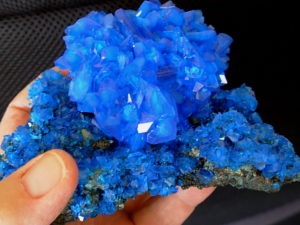
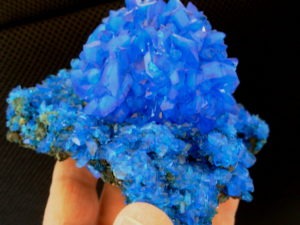
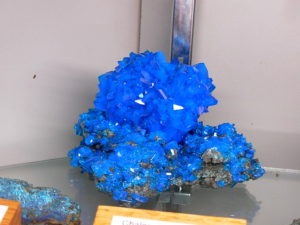
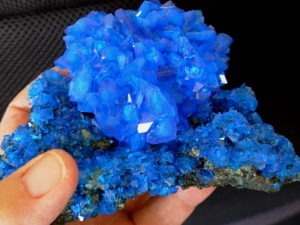
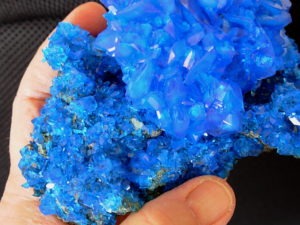
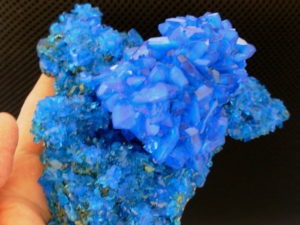
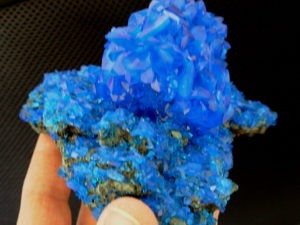
Electric Blue Chalcanthite from Poland
Large Laboratory grown Electric Blue Chalcanthite display specimen.
This specimen is from our personal collection and is a beautiful example of quality lab grown crystals from Boleslawiec, Poland.
The color is an excellent shiny electric blue with many nicely formed crystals. The color is actually a darker blue in person. The crystals reflect a lot of light.
This specimen weighs 0.93 lbs or 14.96 oz (423g) and measures 4.8 x 3.9 x 3 inches (12.3 x 9.9 x 7.8cm)
Due to the fragile nature of these crystals this item ship sin its own box and cannot be combined shipping with other items. Shipping weight is calculated at 2 lbs with packing materials.
Ships to the USA Only!