
Agatized Coral aka Fossil Coral
Coral is made by millions of tiny animals called polyps that live in colonies which grow rapidly. One polyp can become a colony of many thousands in a year. Each polyp builds a home of limestone around itself using calcium from the water. The home surrounds the polyp like an apartment with a floor and walls and ceilings. After the polyp dies its ceiling becomes the foundation for another polyp to build a home on. This is much like building high rises, adding new floors with each generation of polyps. This process continues making more limestone formations and eventually forms a coral reef.
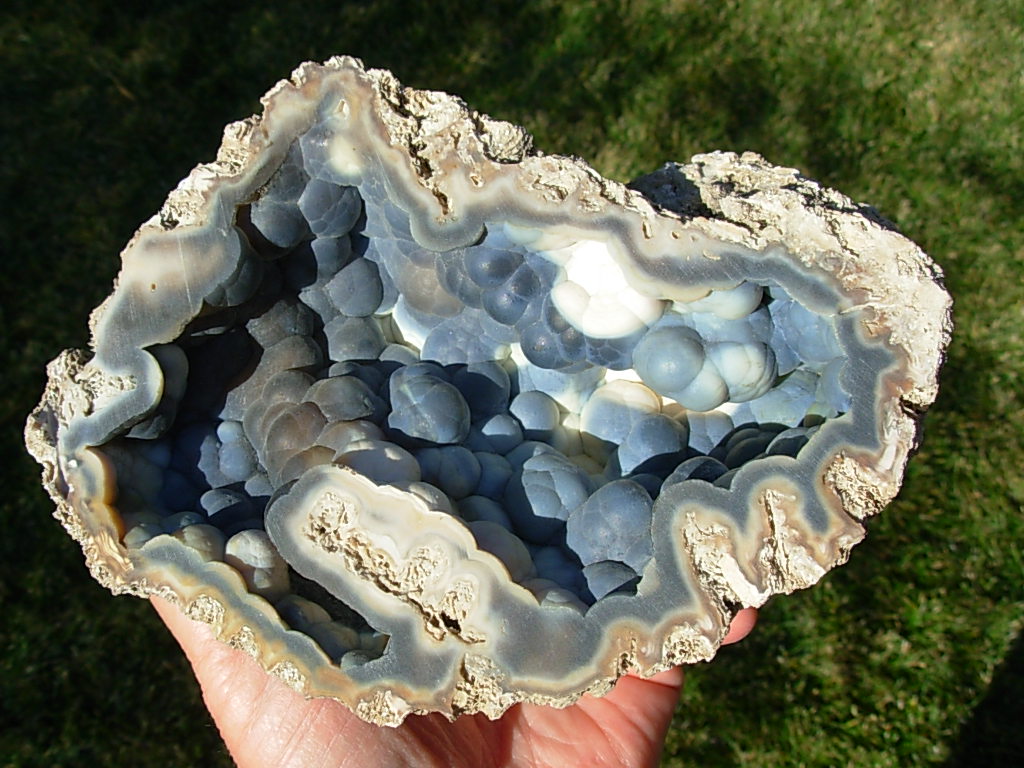
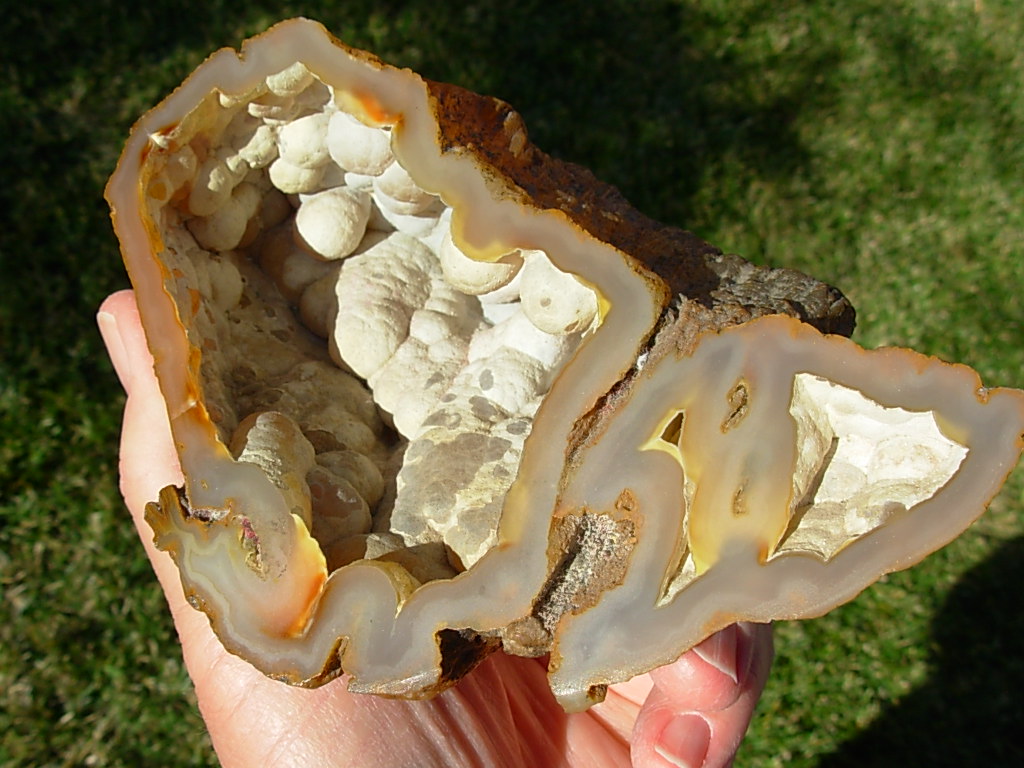
Agate, or chalcedony, is a variety of cryptocrystalline quartz. It is found in a variety of colors, typically gray, brown, black, white, and sometimes red. Fossil corals may be replaced with agate deposited by silica-rich ground water percolating through limestone. In 1979 the Florida Legislature designated agatized coral as the Florida State Stone. It is described in the statute as “a chalcedony pseudo morph after coral, appearing as limestone geodes lined with botryoidal agate or quartz crystals and drusy quartz fingers, indigenous to Florida.”
Much of Florida’s natural foundation is composed of soft, highly-fossiliferous limestones intermixed with sand and clay. This is known as the Early Miocene Tampa Formation. There are several distinct exposures of this formation which produced silicified corals and mollusks; the best known of these is Ballast Point on Tampa Bay in Hillsborough County. Six Mile Creek on a nearby Tampa Bay exposure of the same formation produced only calcareous specimens.
Many Florida agatized coral locations, once open to collecting, are now closed. The best remaining collectible areas are along the causeway and beaches of Honeymoon Island State Park near Dunedin, the river bed and banks of the Suwannee River in the vicinity of and downstream from White Springs, and the bed of the Withlacoochee River near Clyattvillle, Georgia. River collecting is best during times of low water. In addition, small creek beds and quarries in many North Florida counties sometimes expose collectible agatized/silicified corals in small quantities.
Once in a while we stumble across a rare collectible find from years past. Last week, Linda at Ernies Rock Shop had a visitor named Jim Roder. He is in his 70's and he had some very interesting specimens he sold to Linda that were from his parents Rock Shop. Jim's mother and father were John and Clara Roder who owned and operated "Roders Rock Shop and Coral Museum" on Old Hot Springs Road in Hot Springs, Garland County, Arkansas during the 1950's and 1960's. We found a few old photos...
...One taken for June 26, 1963, Arkansas Gazette article "Rockhound Visits Coral Museum on Old Hot Springs Road," The interior of cut geodes found at John and Clara Roder's rock shop in Hot Springs, Garland County, Arkansas
...Another one taken for May 3, 1960, Arkansas Gazette article "Hot Springs Pair Reveals Nature's Beauty in Cut Coral," B1:2. Cut opened coral geodes found at John and Clara Roder's rock shop in Hot Springs, Garland County, Arkansas.
These Agatized coral specimens are all from no later than the early 1960's and were collected by the Roder family when Jim was a young boy. These are all the famous Tampa Bay Agatized Coral specimens collected at Ballast Point, the most famous Agatized Coral producing locale in the world. These specimens are in high demand from all types of collectors and have not been available for over 50 years.
We are listing many of the specimens from the Roders Coral Museum on SpiritRock Shop's site and Ernies Rock Shop will be listing the more unique specimens that were from John and Clara Roders personal collection. These are the finest coral specimens we have seen in MANY years! When these are gone...there are no more available. All specimens from Roders Museum will be listed as Tampa Bay Ballast Point specimens from Roders Coral Museum
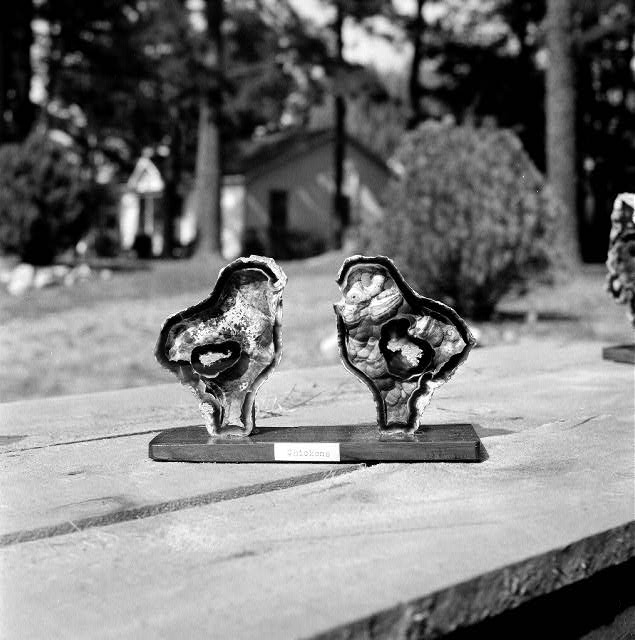
June 26, 1963 Arkansas gazette Little Rock, Ark. Ernie Deane [photographer]. "Rockhound Visits Coral Museum on Old Hot Springs Road,"
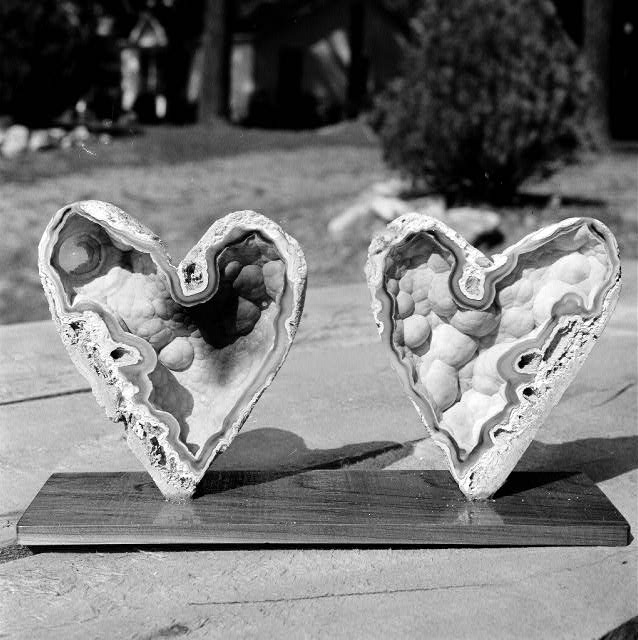
May 3, 1960 Arkansas gazette Little Rock, Ark. Ernie Deane [photographer]. "Hot Springs Pair Reveals Nature's Beauty in Cut Coral,"
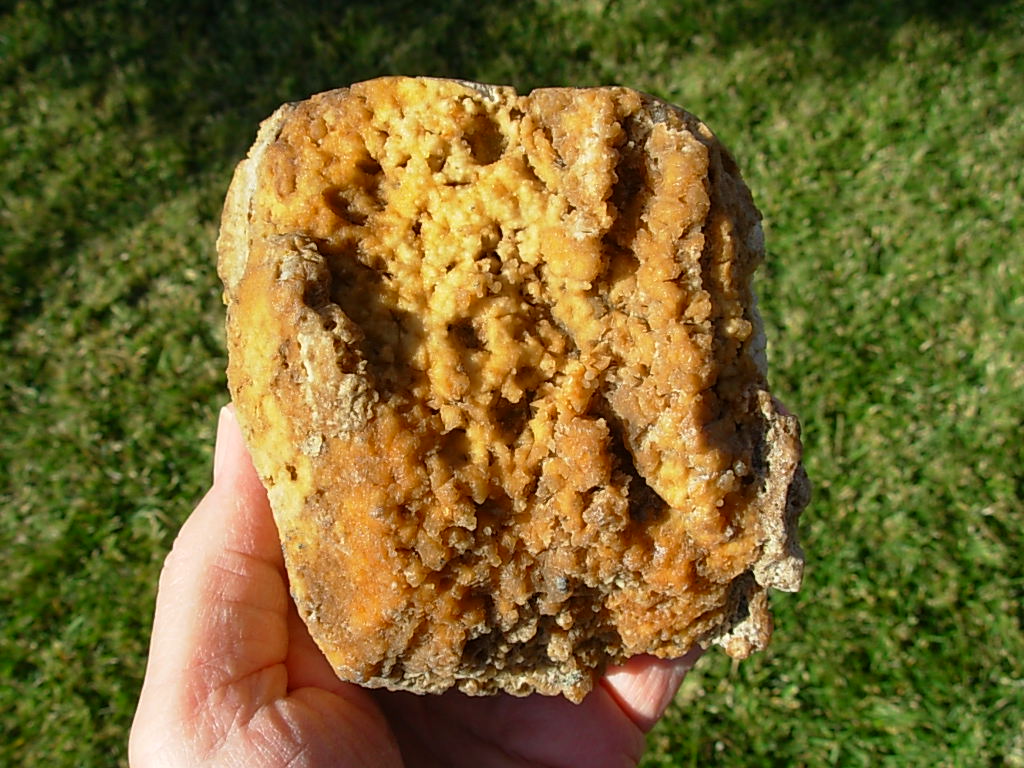
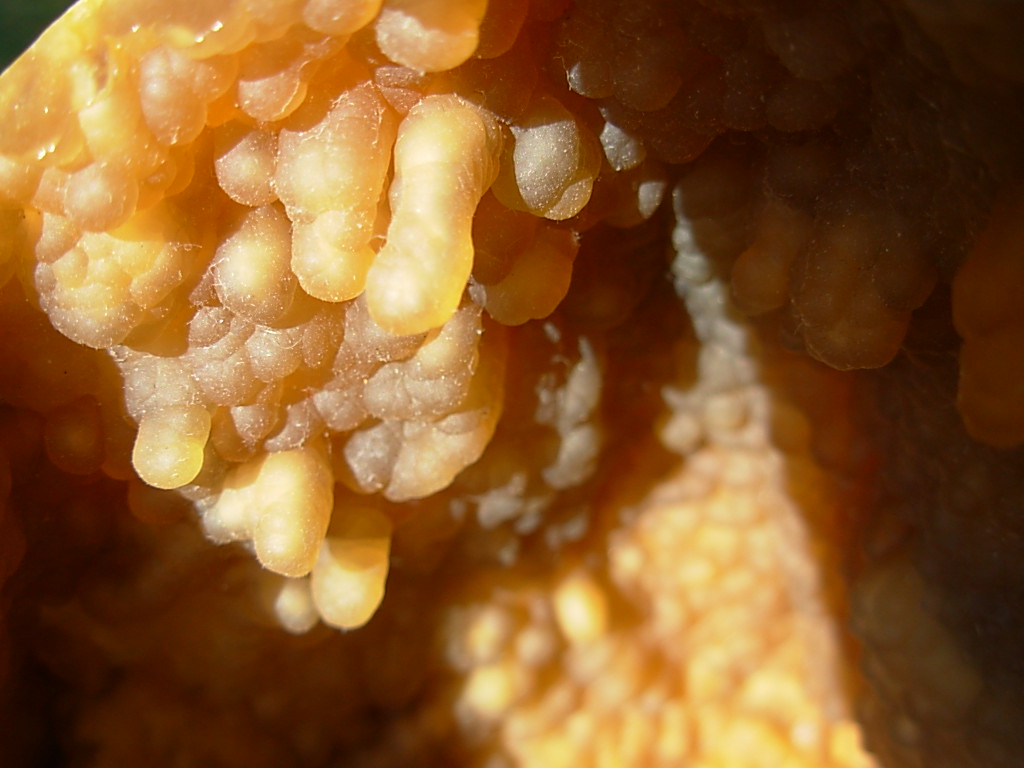
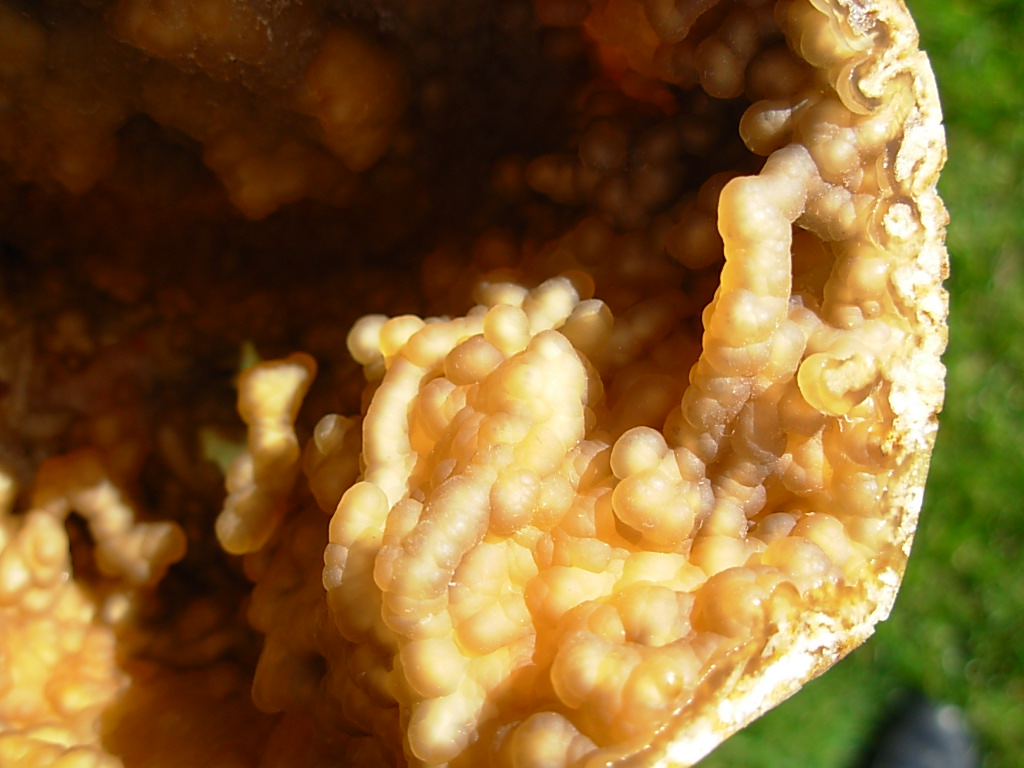
Item # AC11118774
Withlacoochee River Florida Agatized Coral

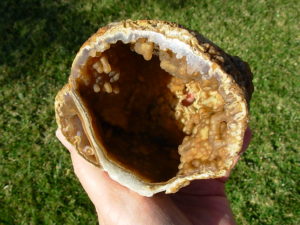
Excellent Withlacoochee River Florida Agatized Coral
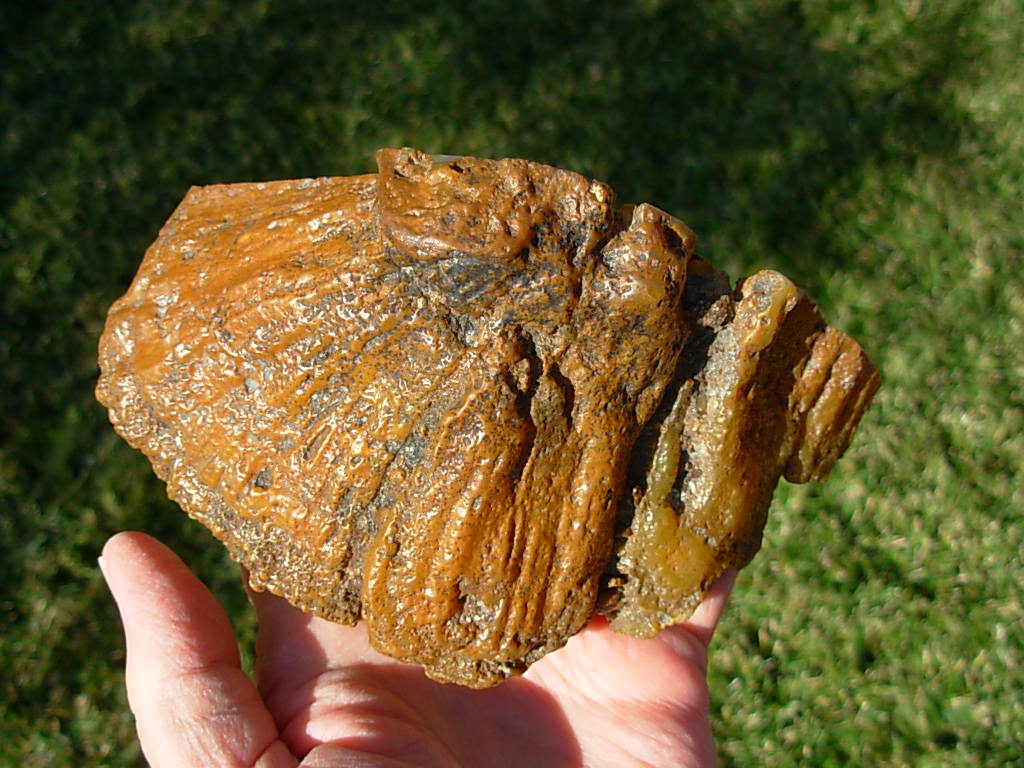
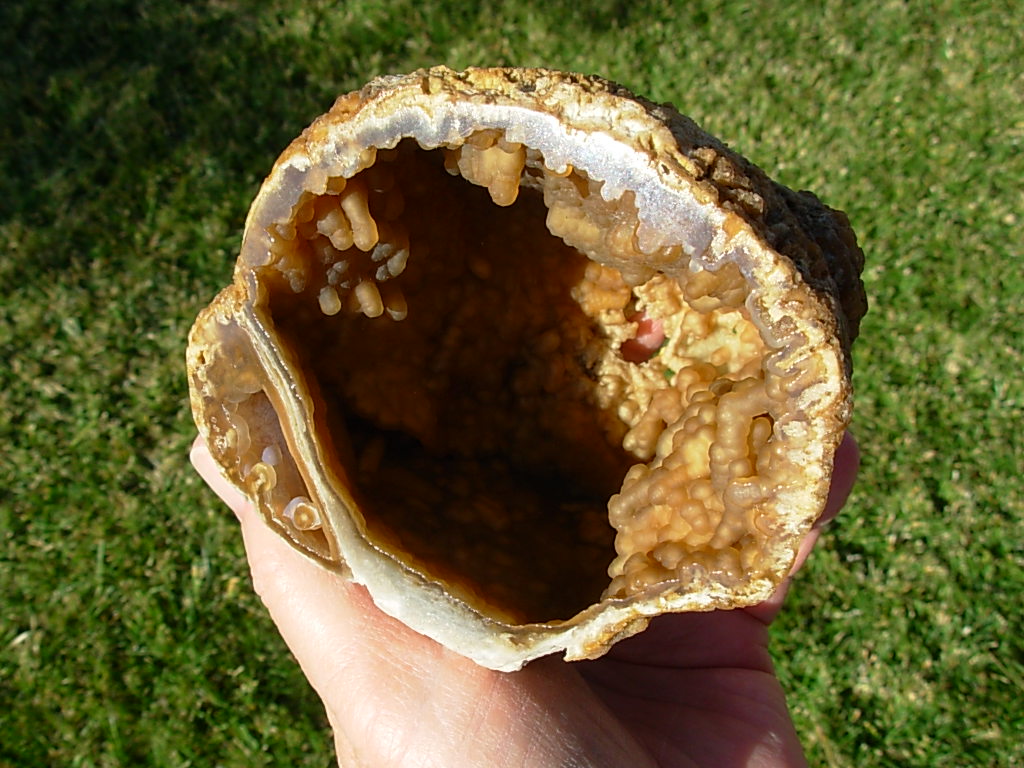
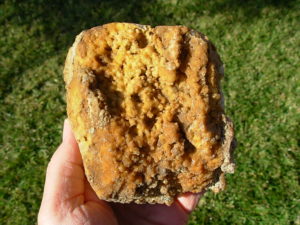
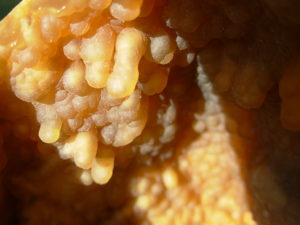
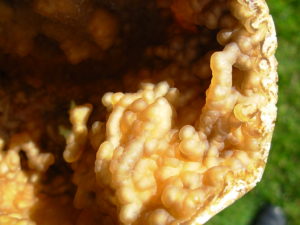
This is an excellent specimen of a fully agatized fossil coral colony where the internal chambers that once housed the polyps have been converted to amber chalcedony. This specimen shows the internal stacked chambers preserved in translucent amber agate form. The rich color is stunning as is the detail. This is from the Oligocene Period about 38 million years ago. The cut face is polished and there is a thin top or end section with actual openings which aid in viewing the amazing internal structures. This example has botryoidal preservation of the internal chambers of the original coral head visible in several areas.
This specimen weighs 1 lb (449g) and measures 4.4 x 3.9 x 3.6 inches (11.2 x 9.9 x 9.1cm)
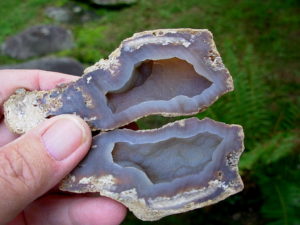
Item # AC10167891
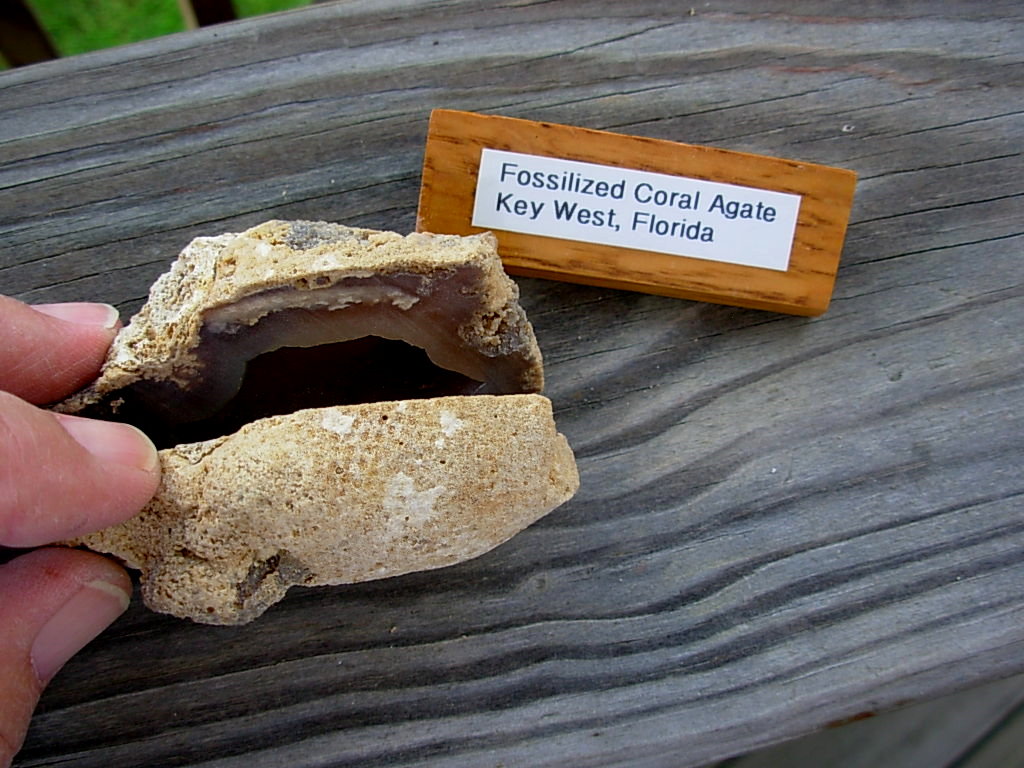
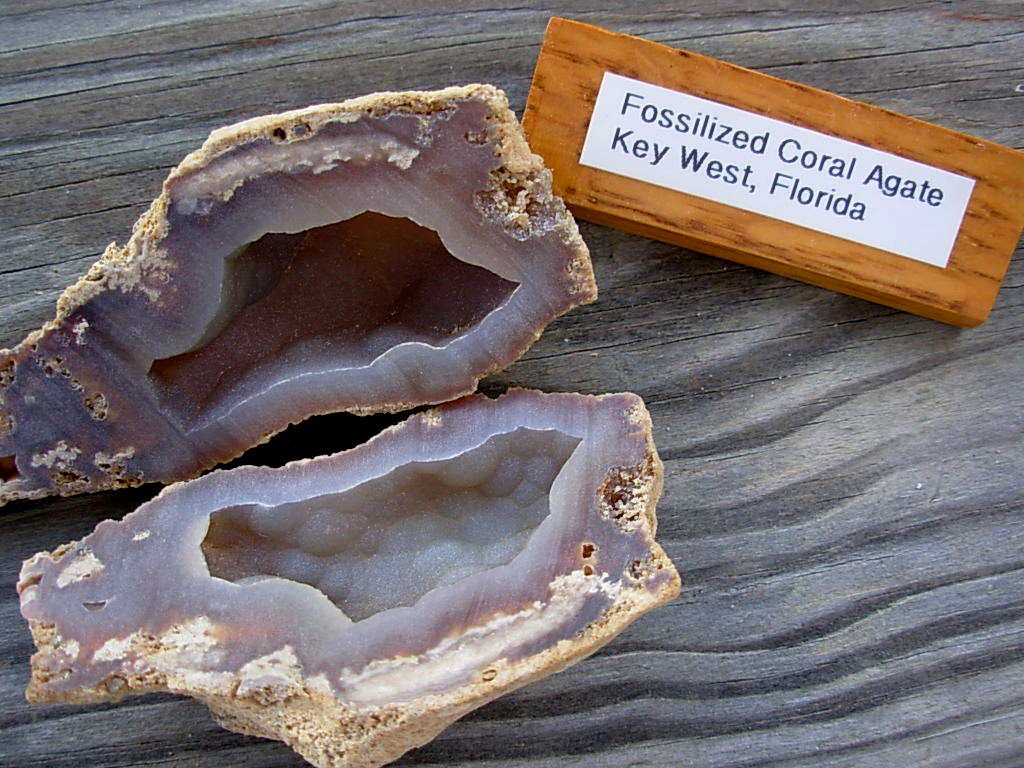
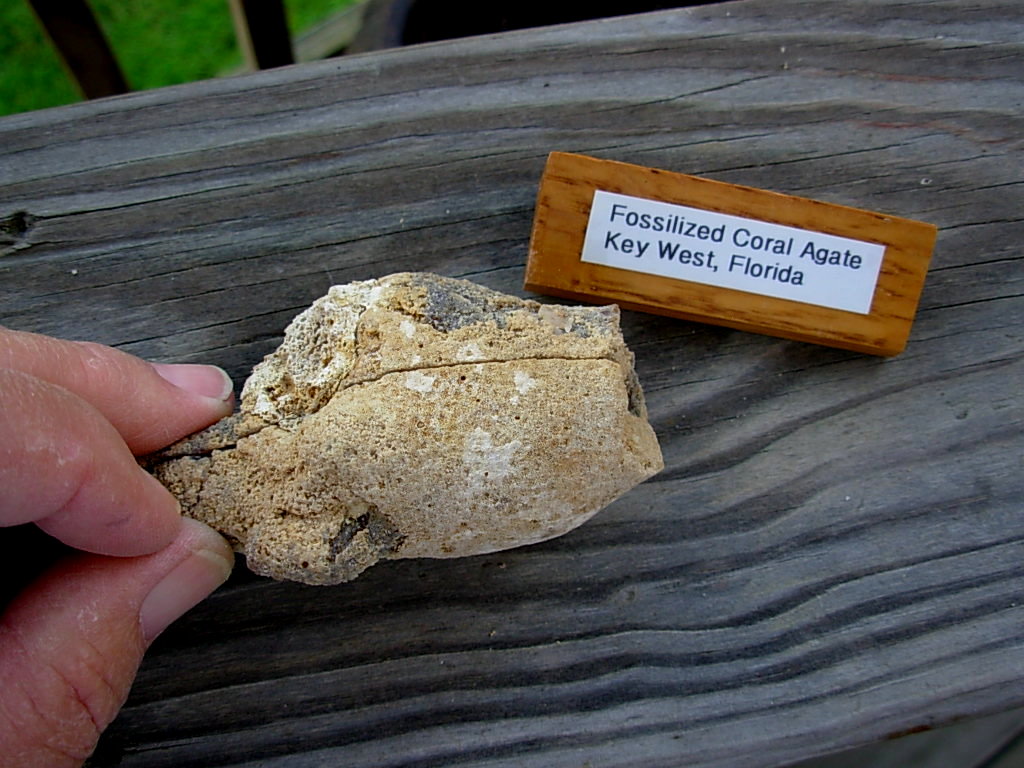
Fossilized Coral Agate Key West Florida Pair
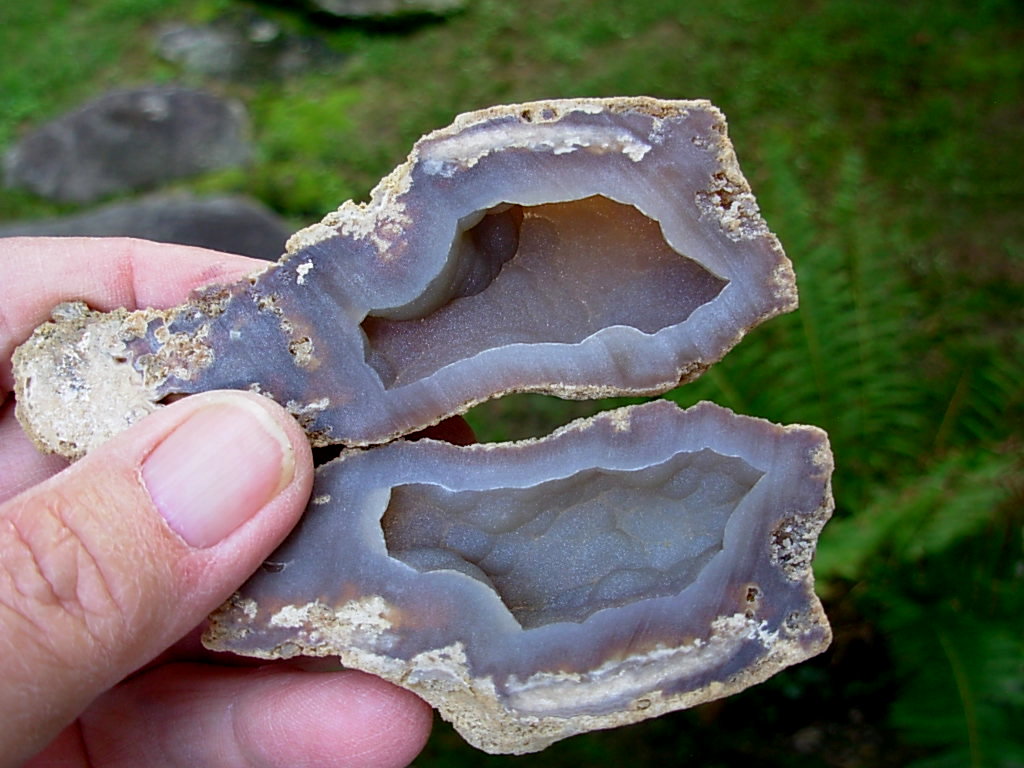
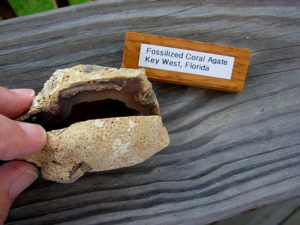
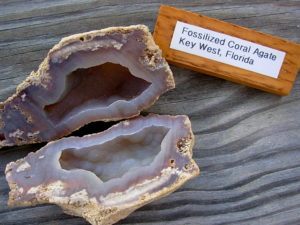
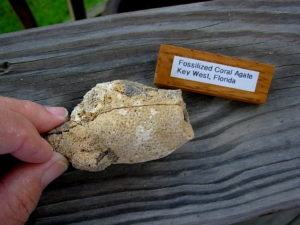
This is an excellent cut specimen pair of a fully agatized fossil coral. This specimen we picked up from a Key West, Florida Mineral Dealer at the Quartzite Rock and Mineral Show in 2005 has been in our personal Fossil and Ocean Collection. This coral was sawed open exposing a stunning drusy coated botryoidal agate vug in each of the two halves. This is an excellent display with shown label.
This specimen pair weighs 4 oz or 0.25 lb (114g) the halves measures 3.8 x 1.49 x 0.92 inches (9.7 x 3.7 x 2.3cm) and 3 x 1.4 x 0.74 inches (7.6 x 3.5 x 1.8cm)
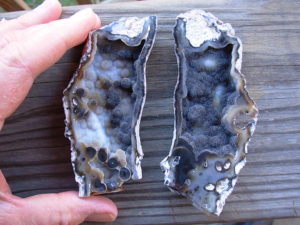
Item # 1ACLR02170001
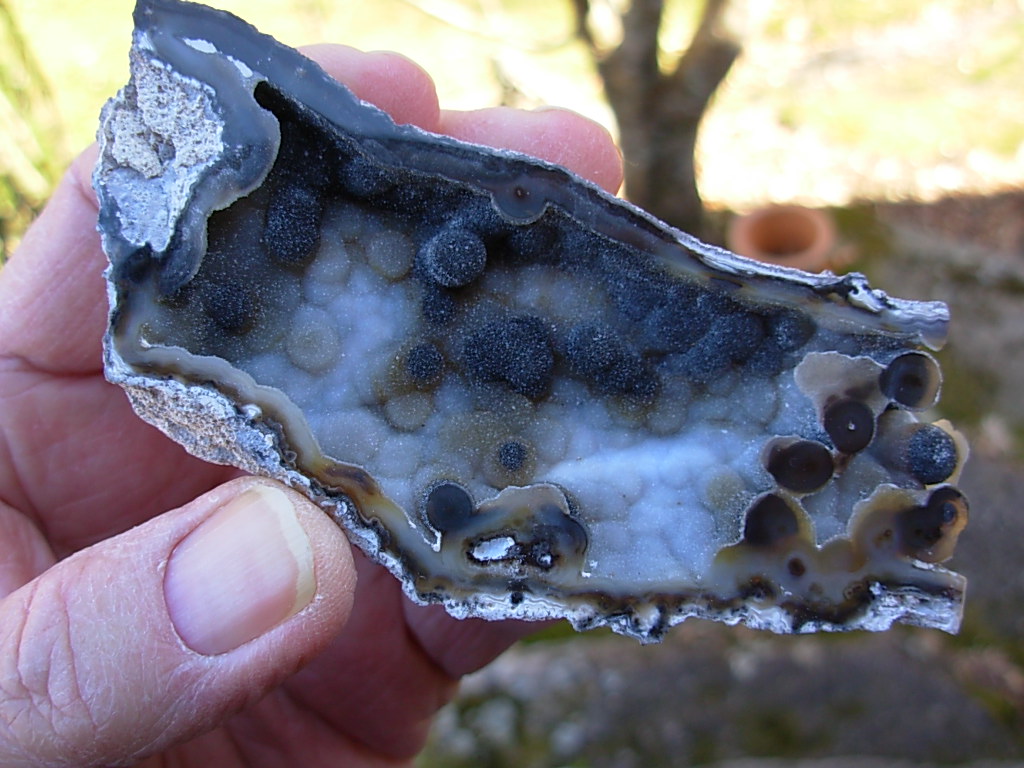
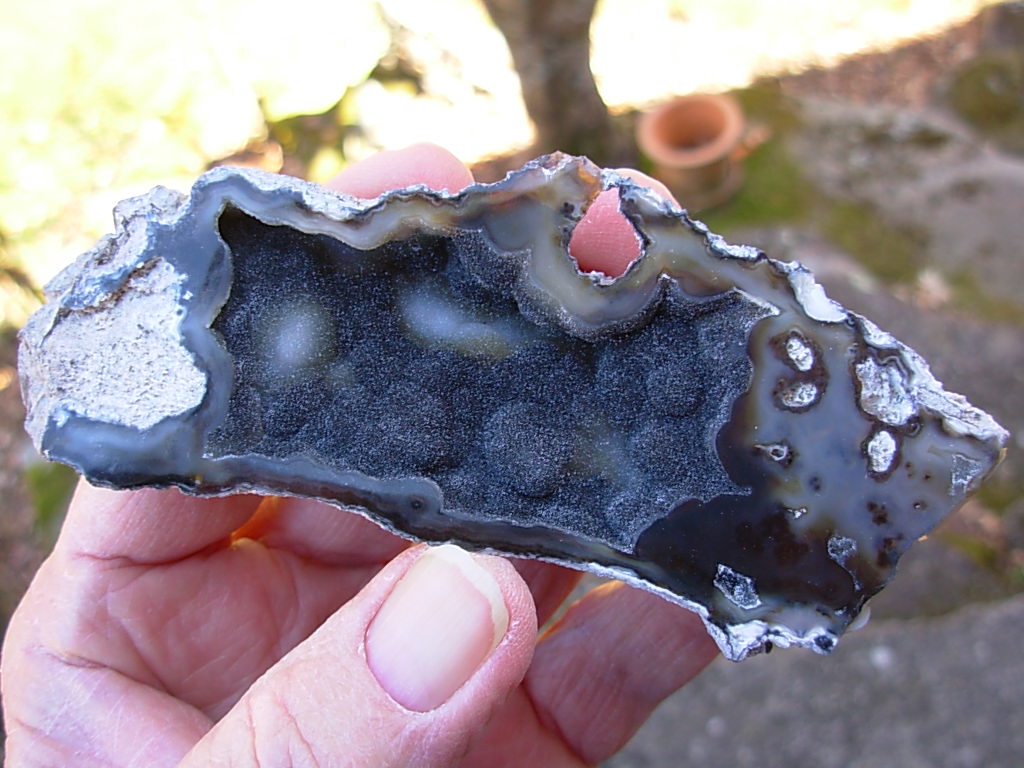
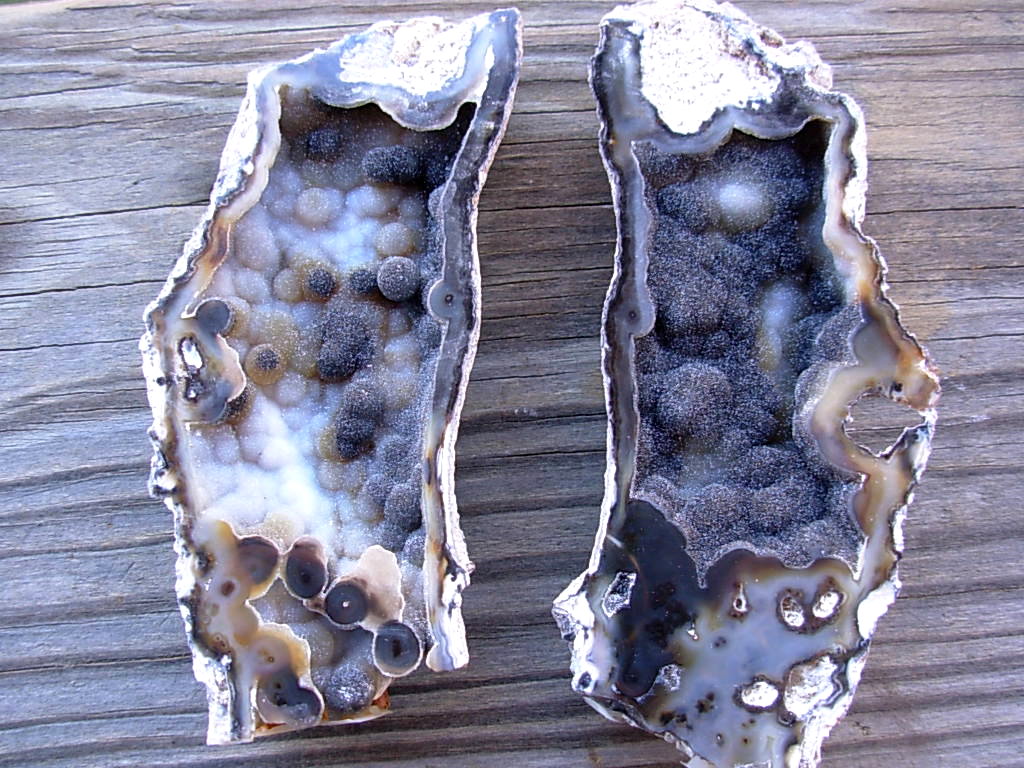
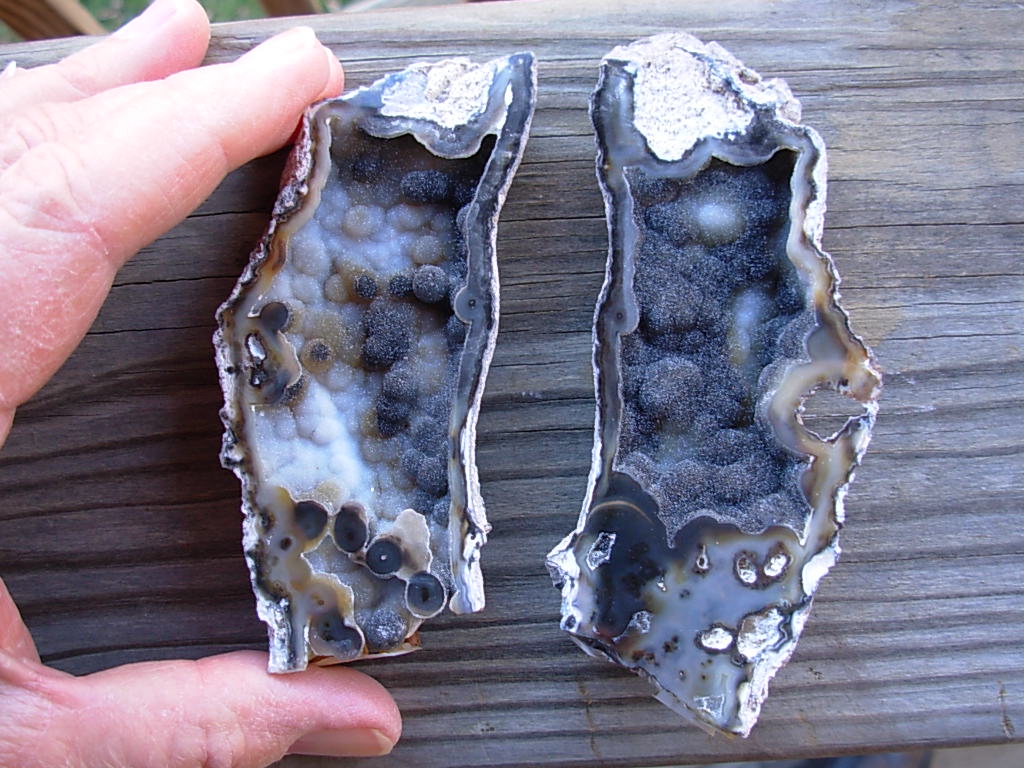
Tampa Bay Ballast Point Fossilized Coral Agate Pair from Roders Coral Museum
$120.00
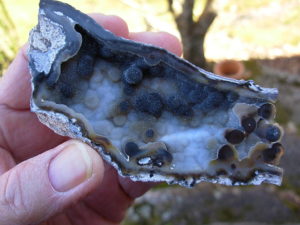
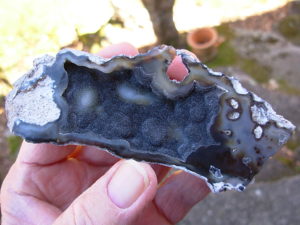
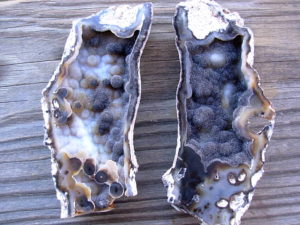
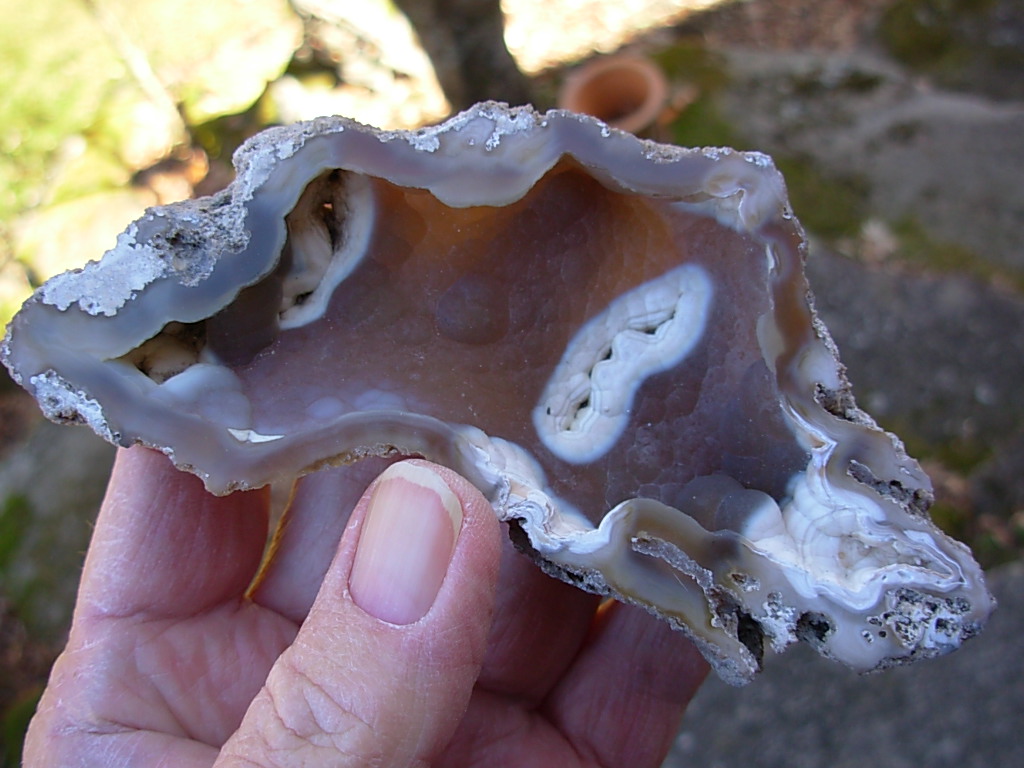
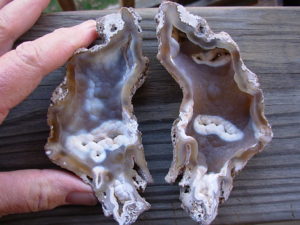
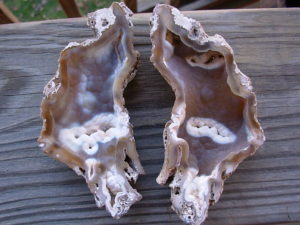
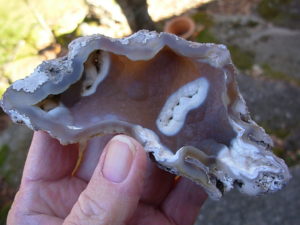
This is an excellent cut specimen pair of a fully agatized fossil coral from the Roder Coral Museum. This specimen has black, tan, grey and white botryoidal agate formations with fine hair like acicular growth on the spheroids. This coral was cut and polished at the Roder's Rock Shop and Coral Museum.
This specimen pair weighs 4.8 oz or 0.3 lb (137g) the halves measures 4.5 x 1.7 x 0.7 inches (11.5 x 4.5 x 1.7cm) and 3.7 x 1.8 x 0.6 inches (9.5 x 4.6 x 1.5cm)
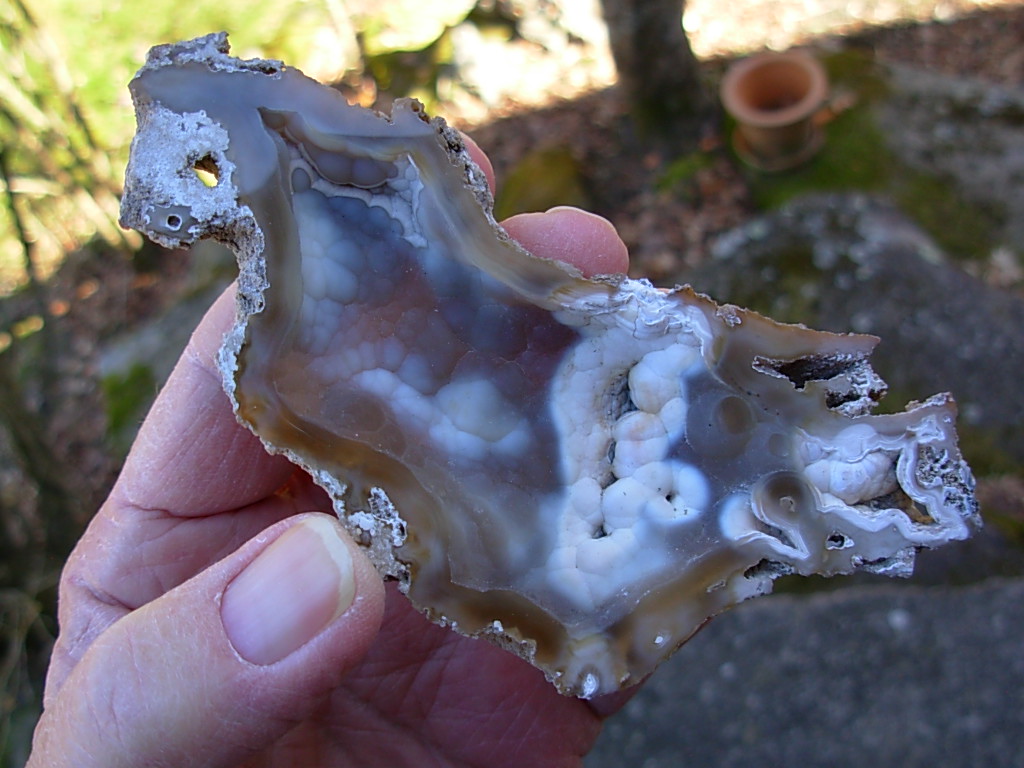
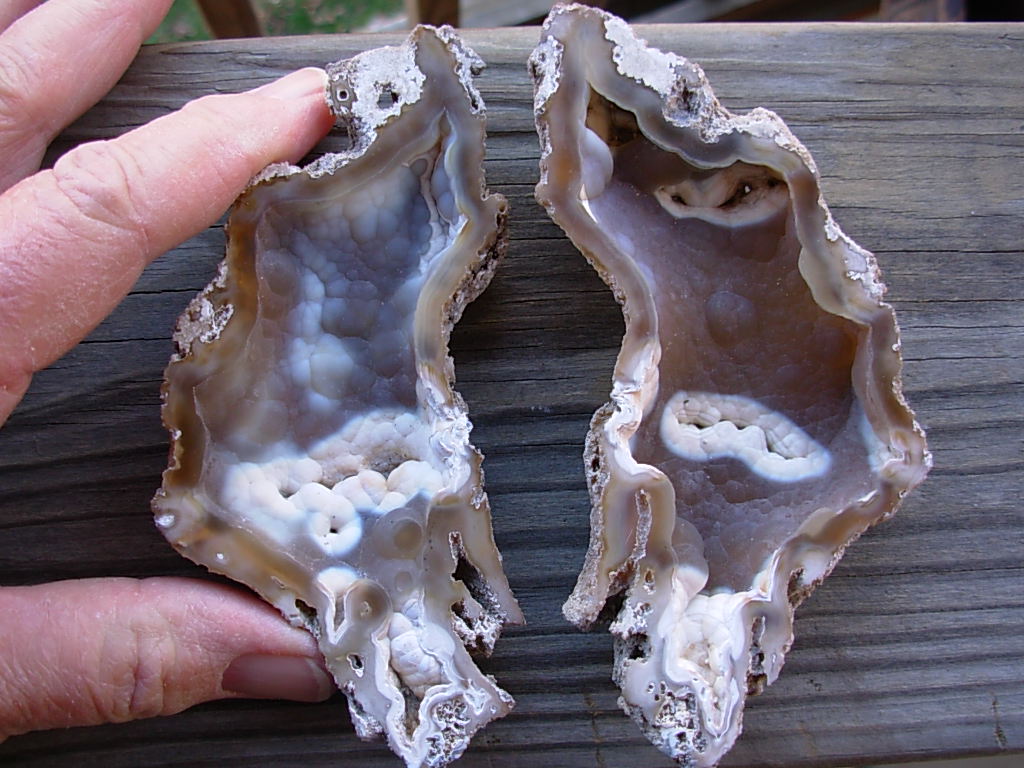
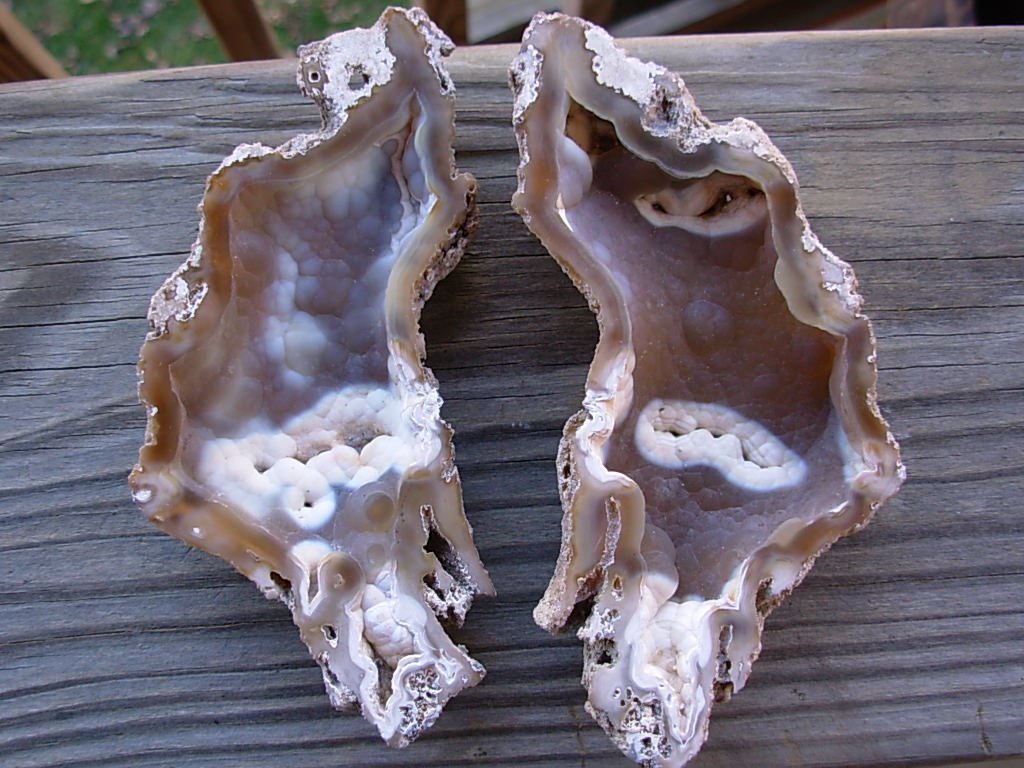
Item # 2ACLR02170001
Tampa Bay Ballast Point Fossilized Coral Agate Pair from Roders Coral Museum
$70.00
This is an excellent cut specimen pair of a fully agatized fossil coral from the Roder Coral Museum. This specimen has smoky honey tan, grey and white botryoidal agate formations with botryoidal cream vugs. This coral was cut and polished at the Roder's Rock Shop and Coral Museum.
This specimen pair weighs 5.9 oz or 0.37 lb (168g) the halves measures 4.9 x 2.2 x 0.7 inches (12.5 x 5.7 x 1.8cm) and 4.8 x 2 x 0.6 inches (12.3 x 5.3 x 1.6cm)
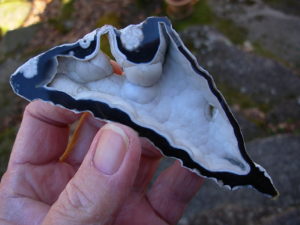
Item # 4ACLR02170001
Tampa Bay Ballast Point Fossilized Coral Agate Pair from Roders Coral Museum
$85.00
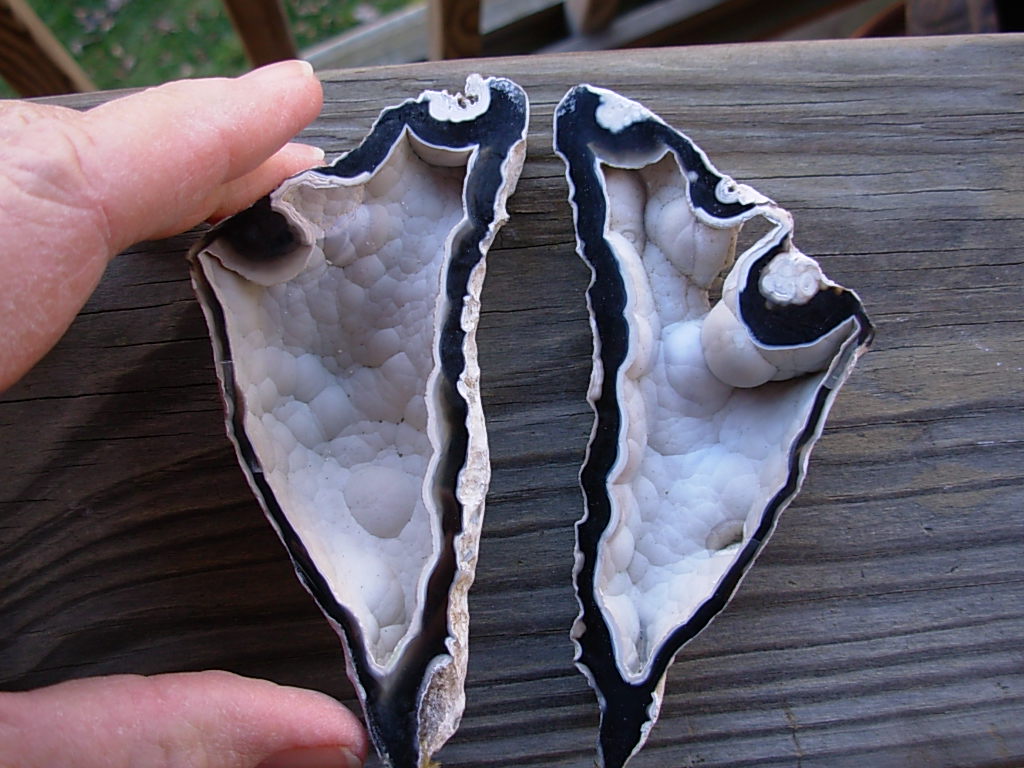
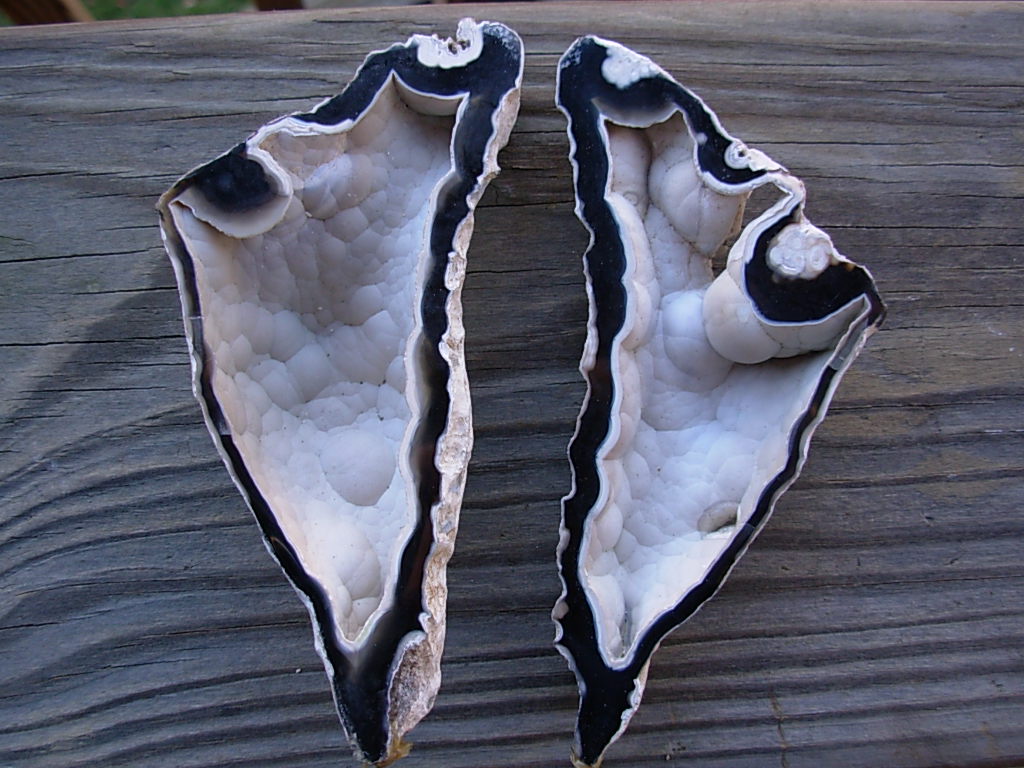
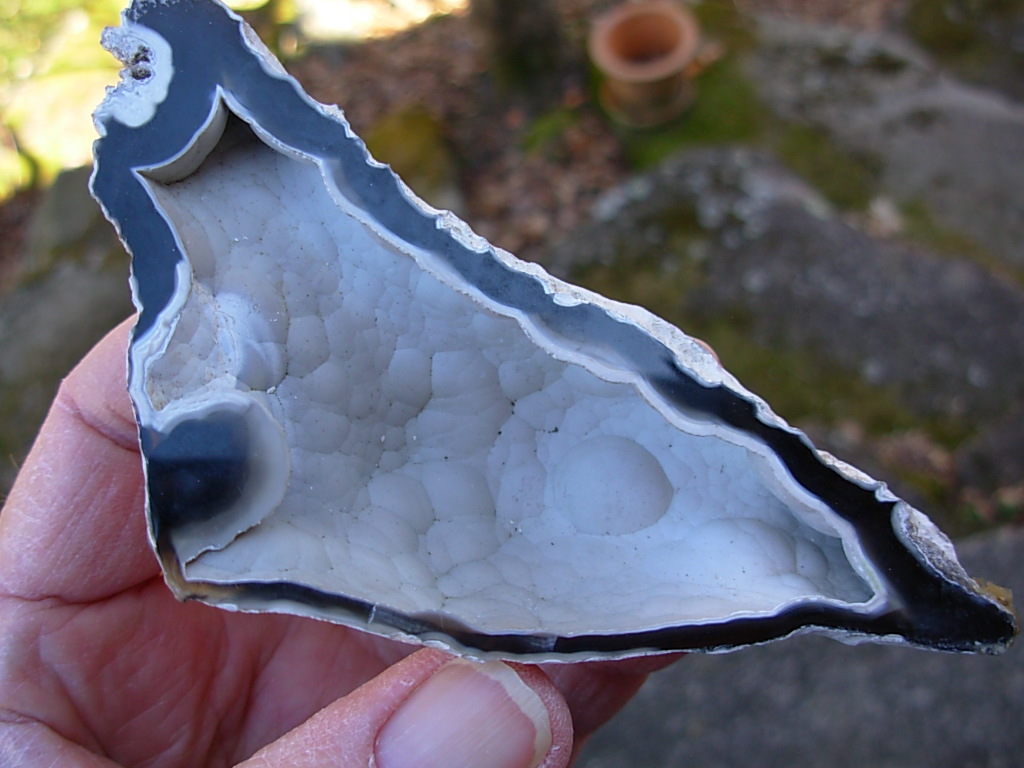
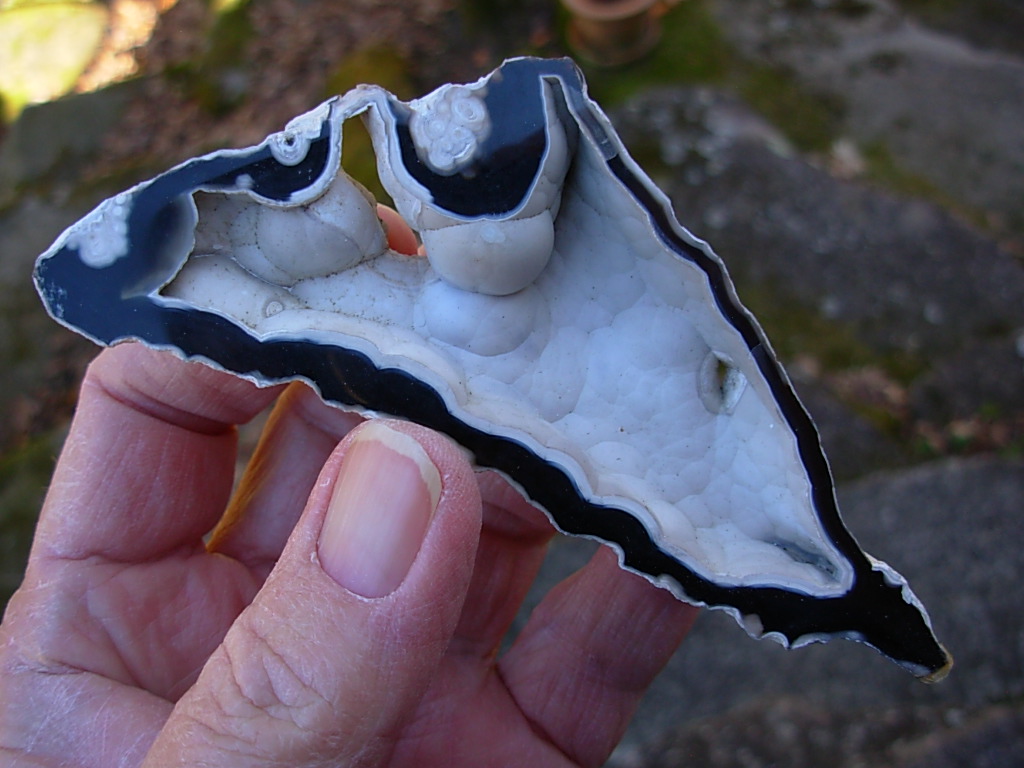
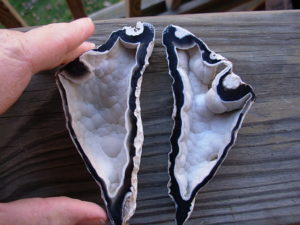
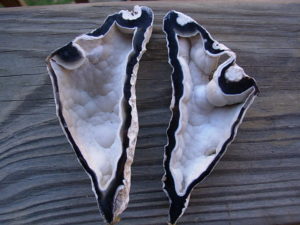
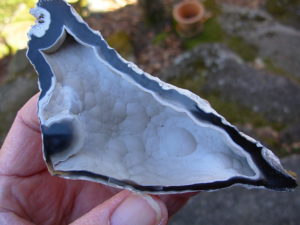
This is an excellent cut specimen pair of a fully agatized fossil coral from the Roder Coral Museum. This specimen has black edges with white botryoidal agate formations in the vugs. This coral was cut and polished at the Roder's Rock Shop and Coral Museum.
This specimen pair weighs 3.7 oz or 0.23 lb (107g) the halves measures 4.5 x 1.8 x 0.9 inches (11.5 x 4.7 x 2.3cm) and 4.5 x 1.7 x 0.6 inches (11.5 x 4.5 x 1.7cm)
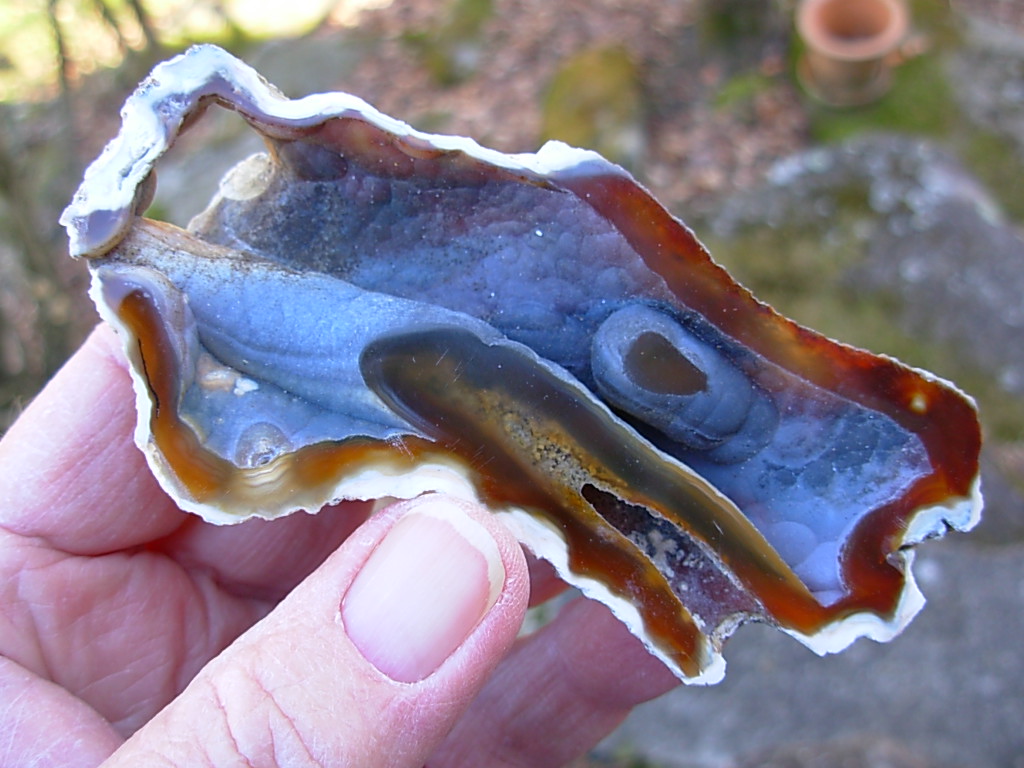
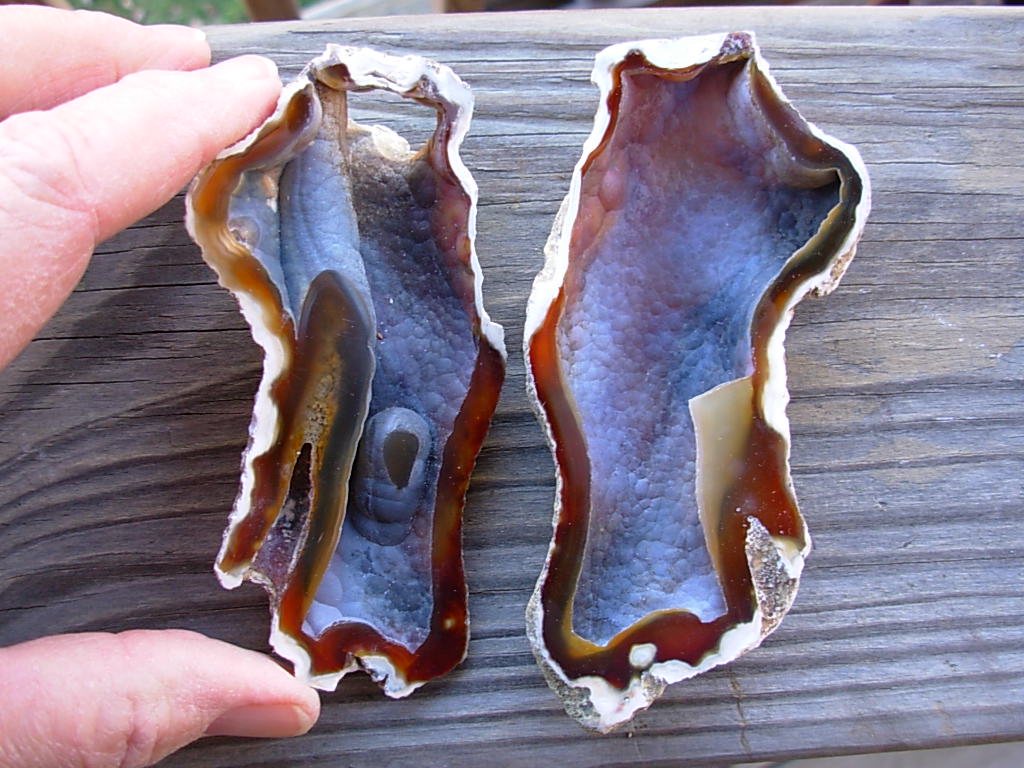
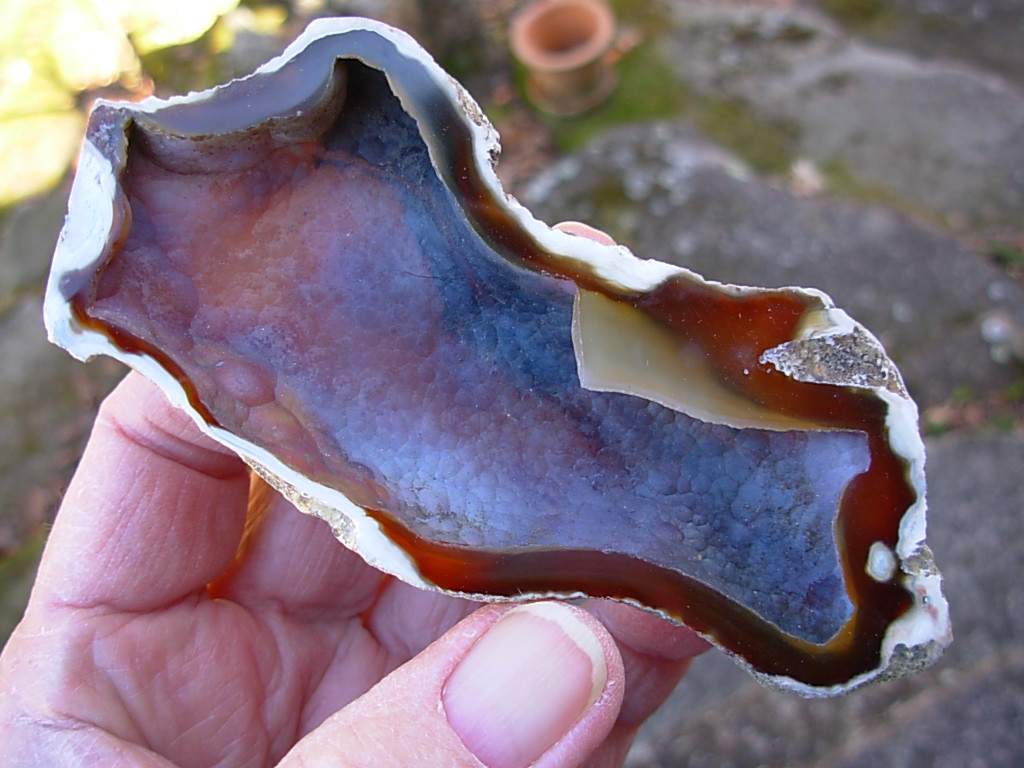
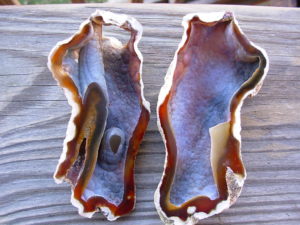
Item # 5ACLR02170001
Tampa Bay Ballast Point Fossilized Coral Agate Pair from Roders Coral Museum
$60.00
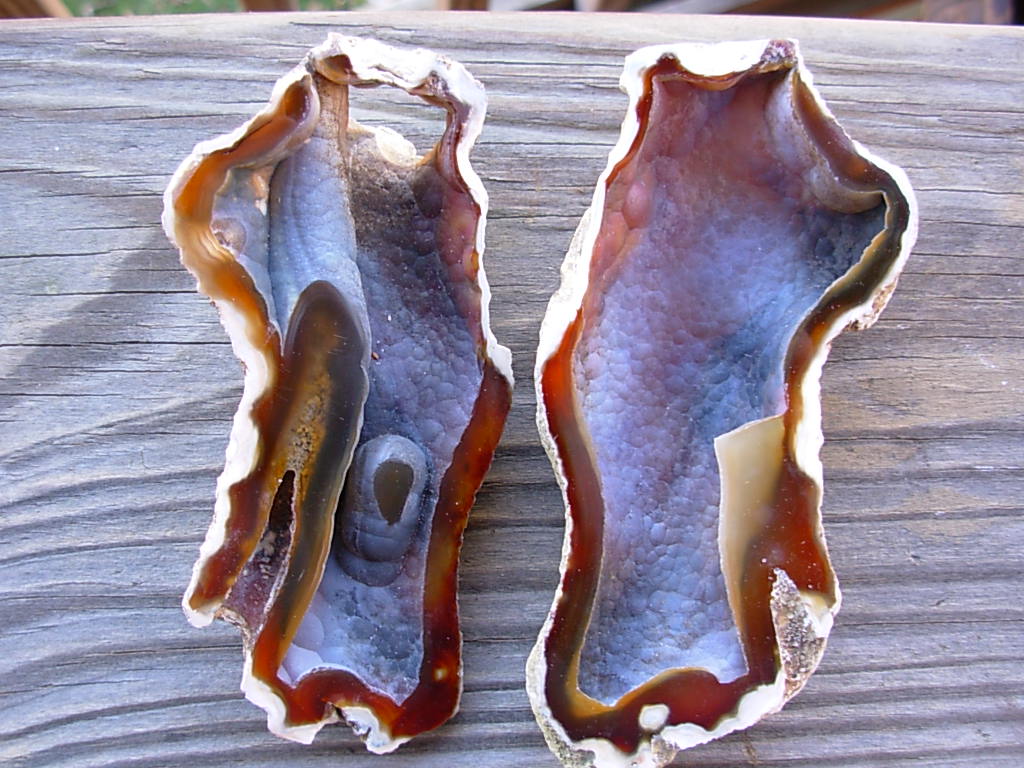
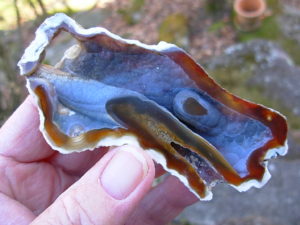
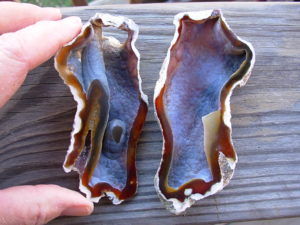
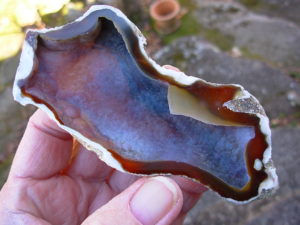
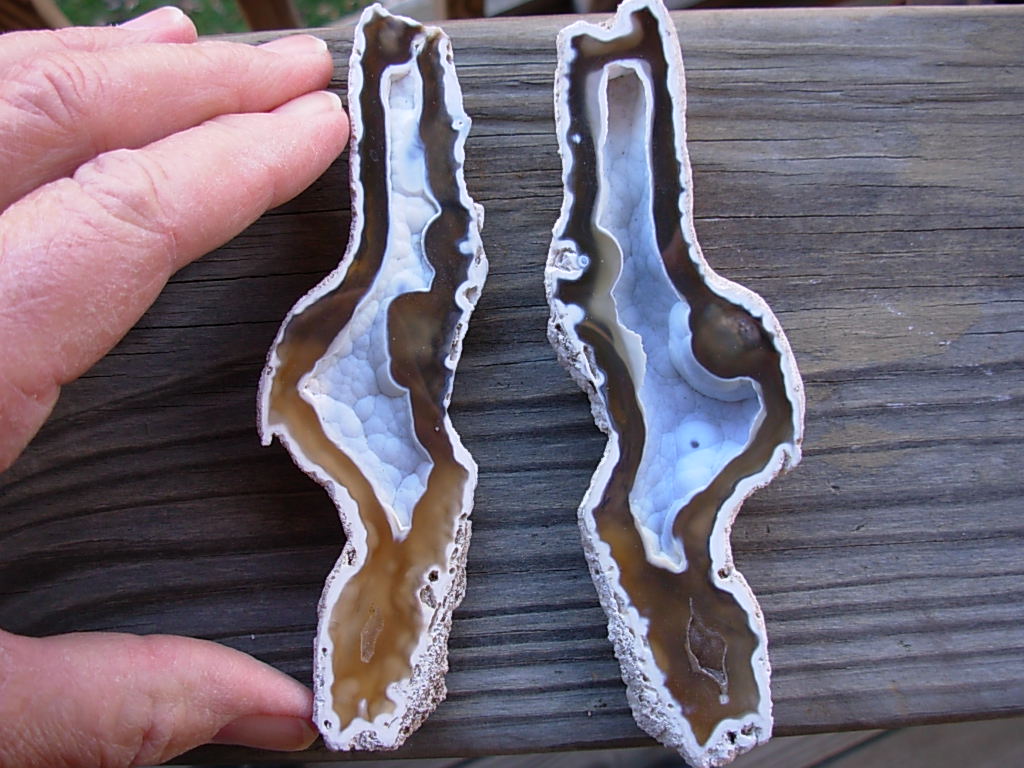
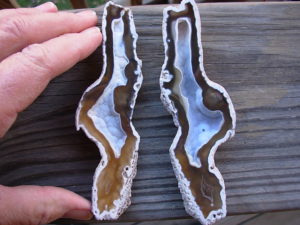
This is an excellent cut specimen pair of a fully agatized fossil coral from the Roder Coral Museum. This specimen has carnelian edges with white-grey botryoidal agate formations in the vugs. This coral was cut and polished at the Roder's Rock Shop and Coral Museum.
This specimen pair weighs 4.8 oz or 0.3 lb (138g) the halves measures 4.5 x 1.8 x 0.8 inches (11.5 x 4.7 x 2cm) and 4.1 x 1.8 x 0.7 inches (10.4 x 4.7 x 1.9cm)
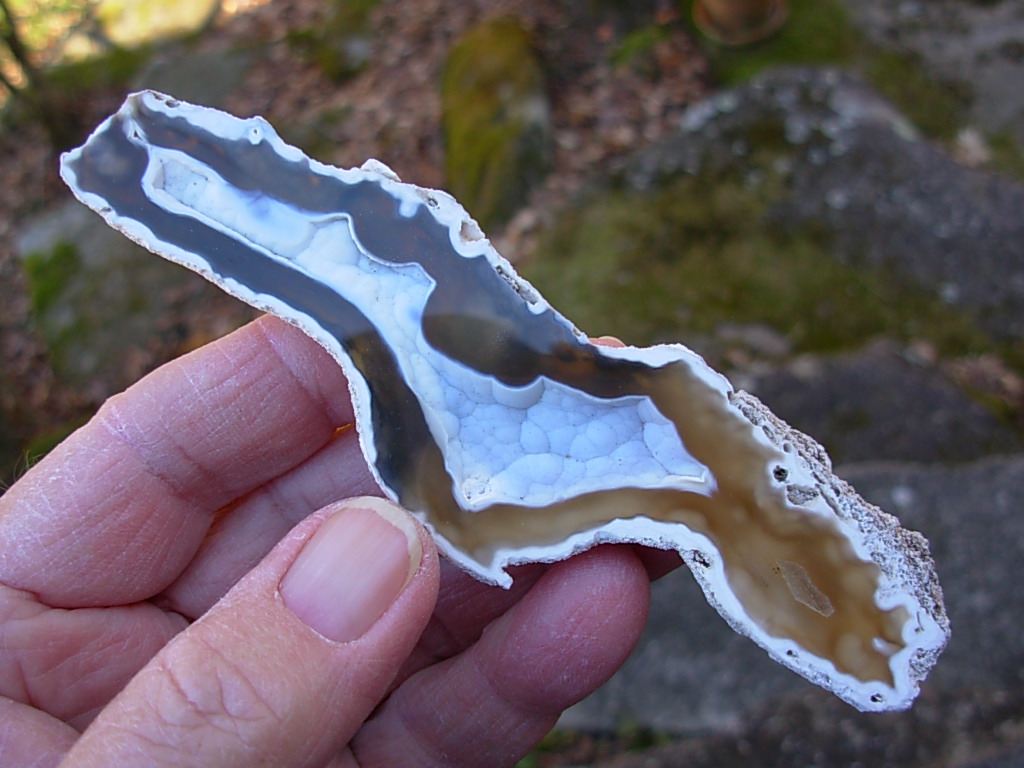
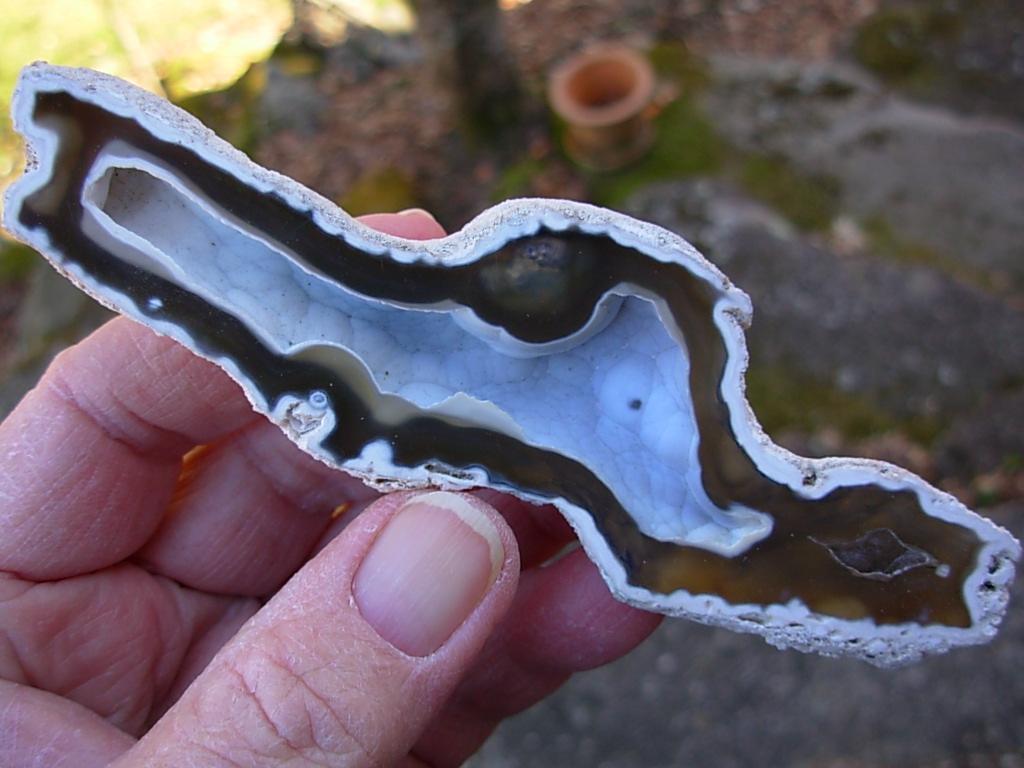
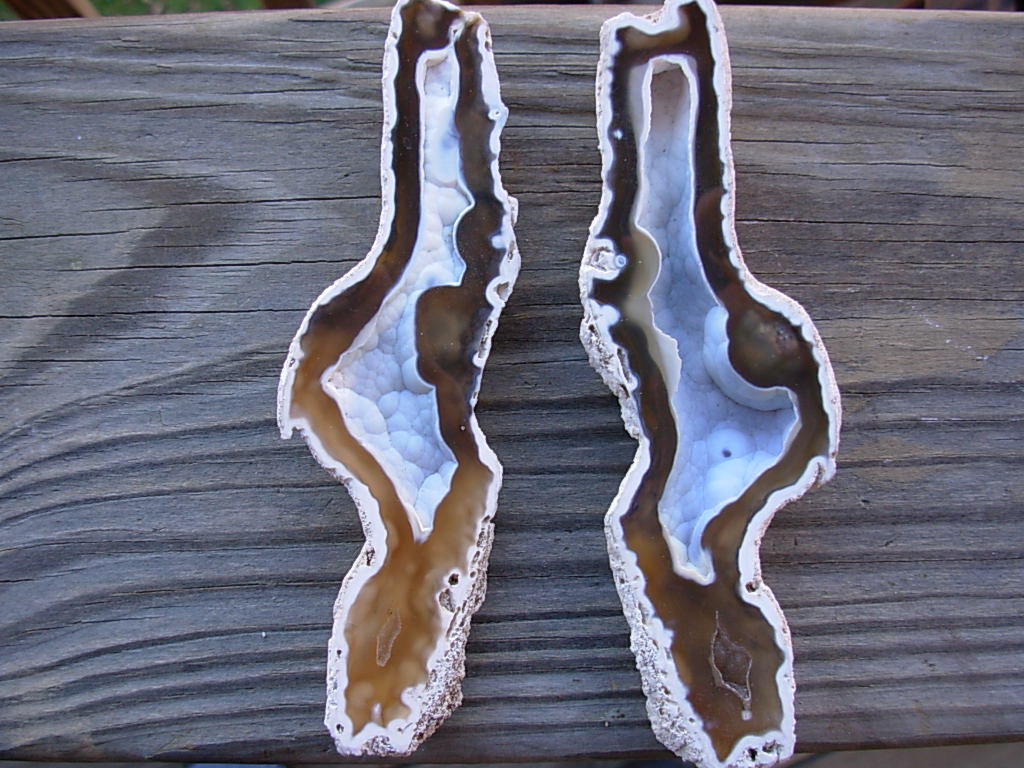
Item # 6ACLR02170001
Tampa Bay Ballast Point Fossilized Coral Agate Pair from Roders Coral Museum
$65.00
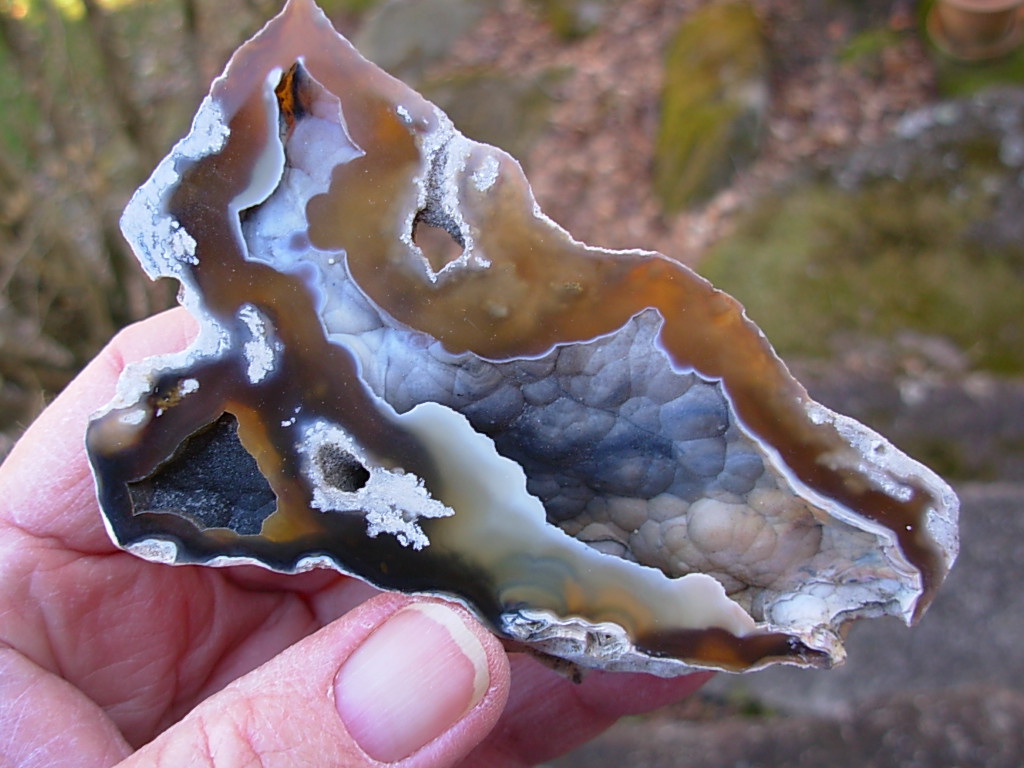
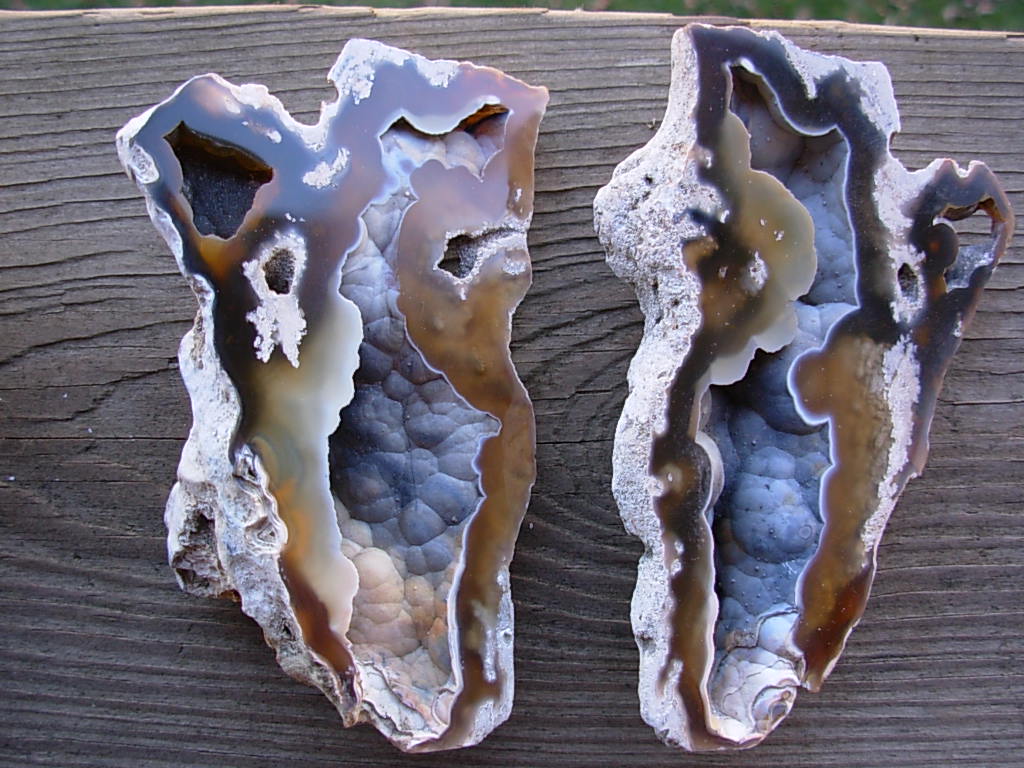
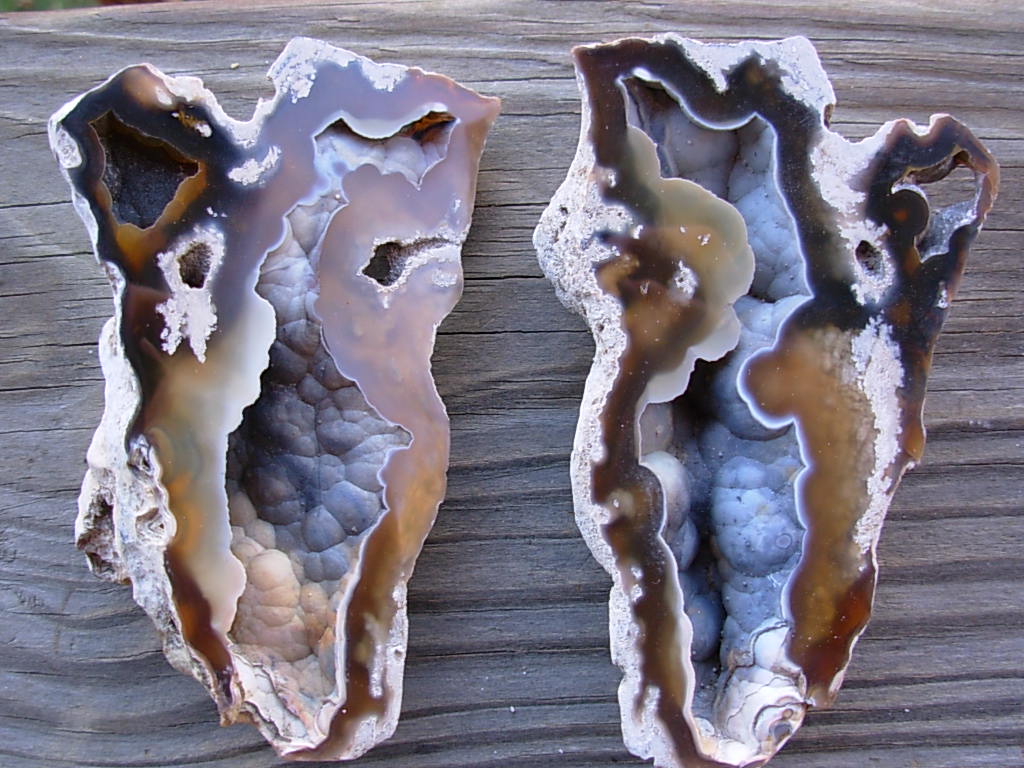
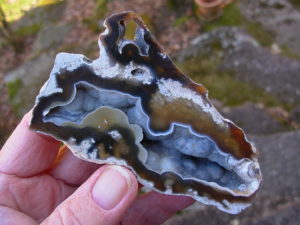
This is an excellent cut specimen pair of a fully agatized fossil coral from the Roder Coral Museum. This specimen has honey edges with white botryoidal agate formations in the vugs. This coral was cut and polished at the Roder's Rock Shop and Coral Museum.
This specimen pair weighs 3.8 oz or 0.24 lb (110g) the halves measures 5.2 x 1.4 x 0.6 inches (13.2 x 3.7 x 1.6cm) and 5 x 1.2 x 0.4 inches (12.8 x 3 x 1cm)
Item # 9ACLR02170001
Tampa Bay Ballast Point Fossilized Coral Agate Pair from Roders Coral Museum
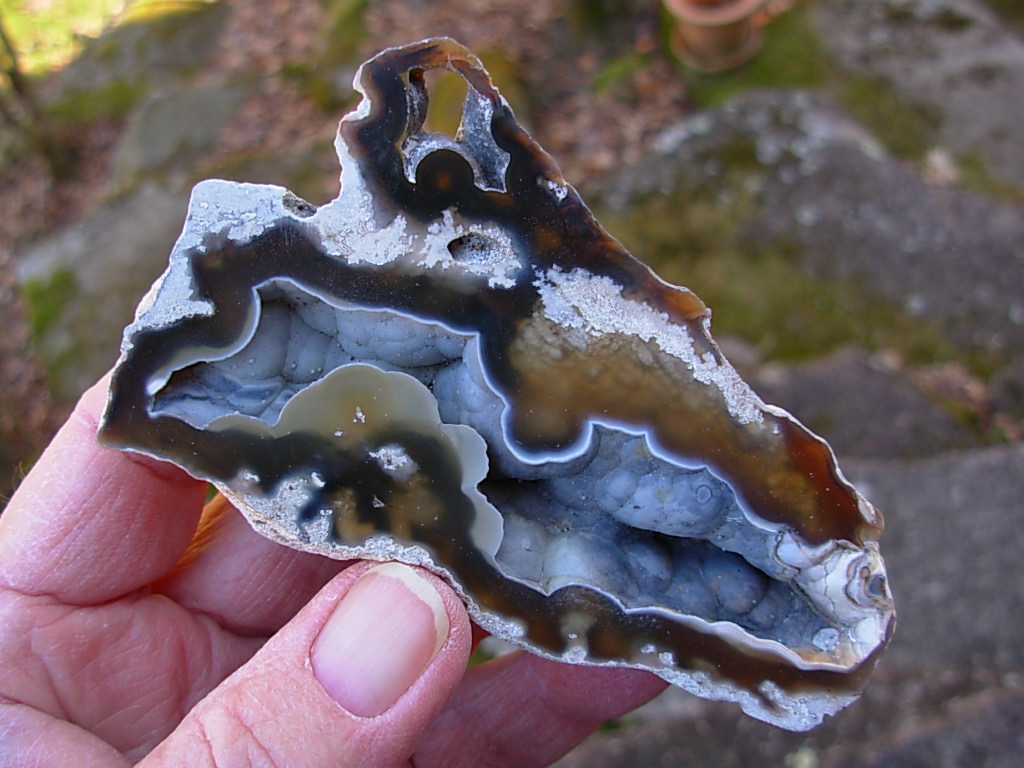
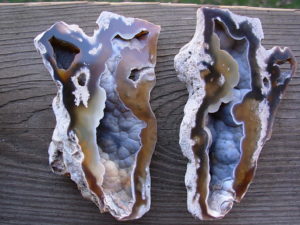
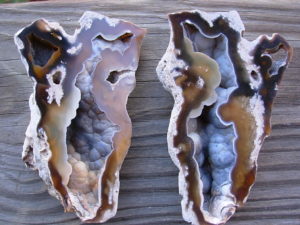
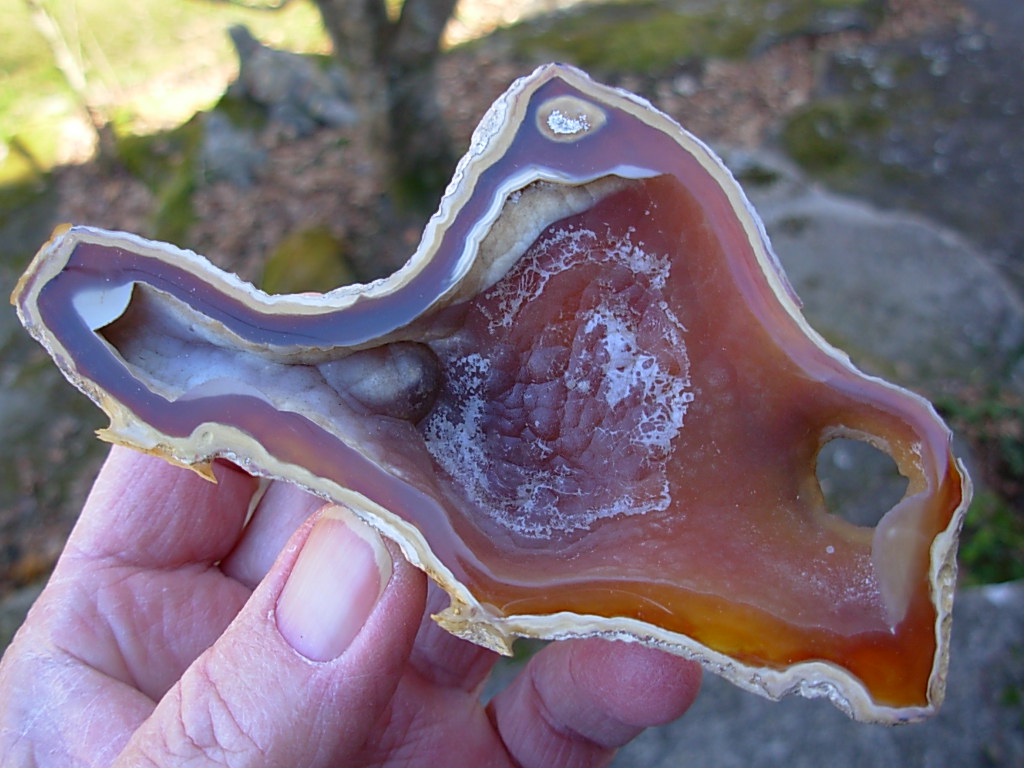
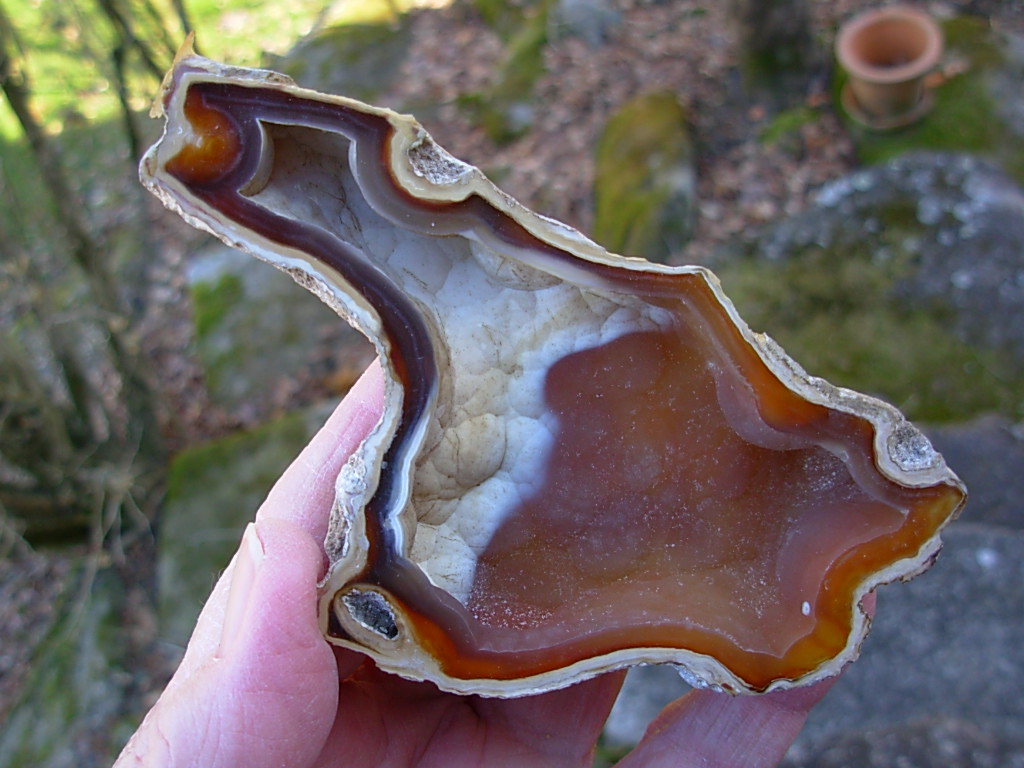
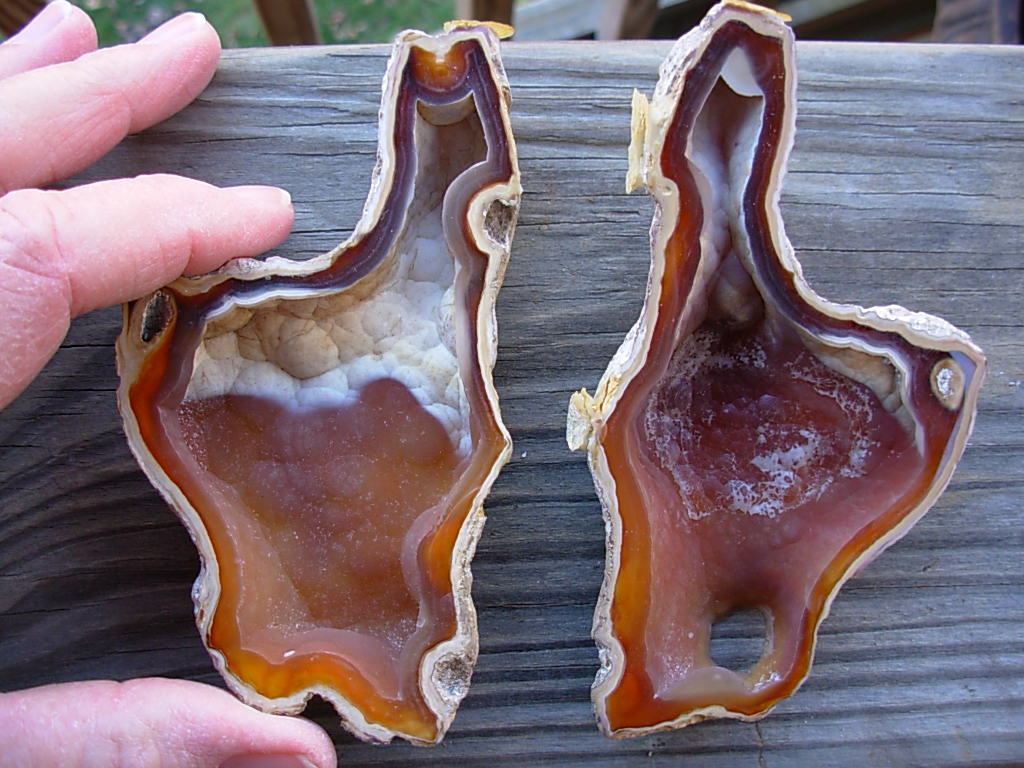
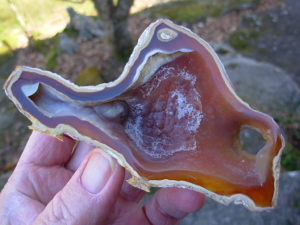
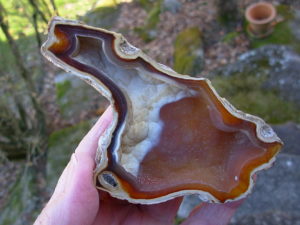
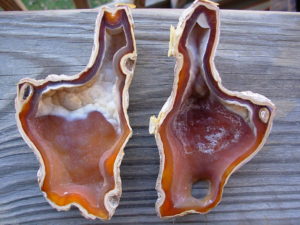
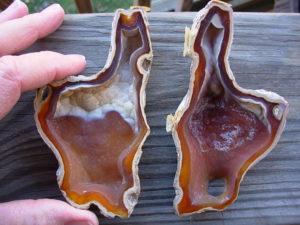
This is an excellent cut specimen pair of a fully agatized fossil coral from the Roder Coral Museum. This specimen has honey edges with large honey, white, grey, blue-grey and cream botryoidal agate formations in the vugs. This coral was cut and polished at the Roder's Rock Shop and Coral Museum.
This specimen pair weighs 7 oz or 0.43 lb (199g) the halves measures 3.9 x 2.3 x 1 inches (10 x 6 x 2.6cm) and 3.9 x 2.3 x 0.8 inches (10 x 5.8 x 2.1cm)

Item # 10ACLR02170001
Tampa Bay Ballast Point Fossilized Coral Agate Pair from Roders Coral Museum
$65.00
This is an excellent cut specimen pair of a fully agatized fossil coral from the Roder Coral Museum. This specimen has honey edges and fill with with honey, white, and cream botryoidal agate formations in the vugs. This coral was cut and polished at the Roder's Rock Shop and Coral Museum.
This specimen pair weighs 6.4 oz or 0.4 lb (183g) the halves measures 4.5 x 2.4 x 0.8 inches (11.6 x 6.1 x 2.1cm) and 4.6 x 2.4 x 0.9 inches (11.9 x 6.3 x 2.4cm)
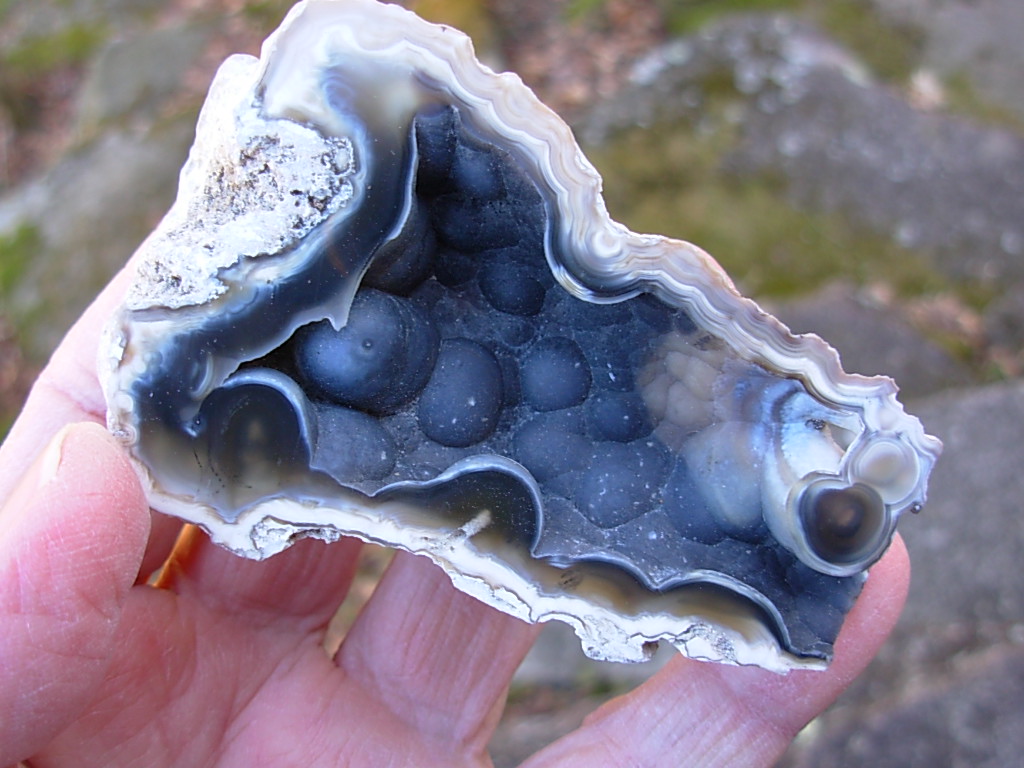
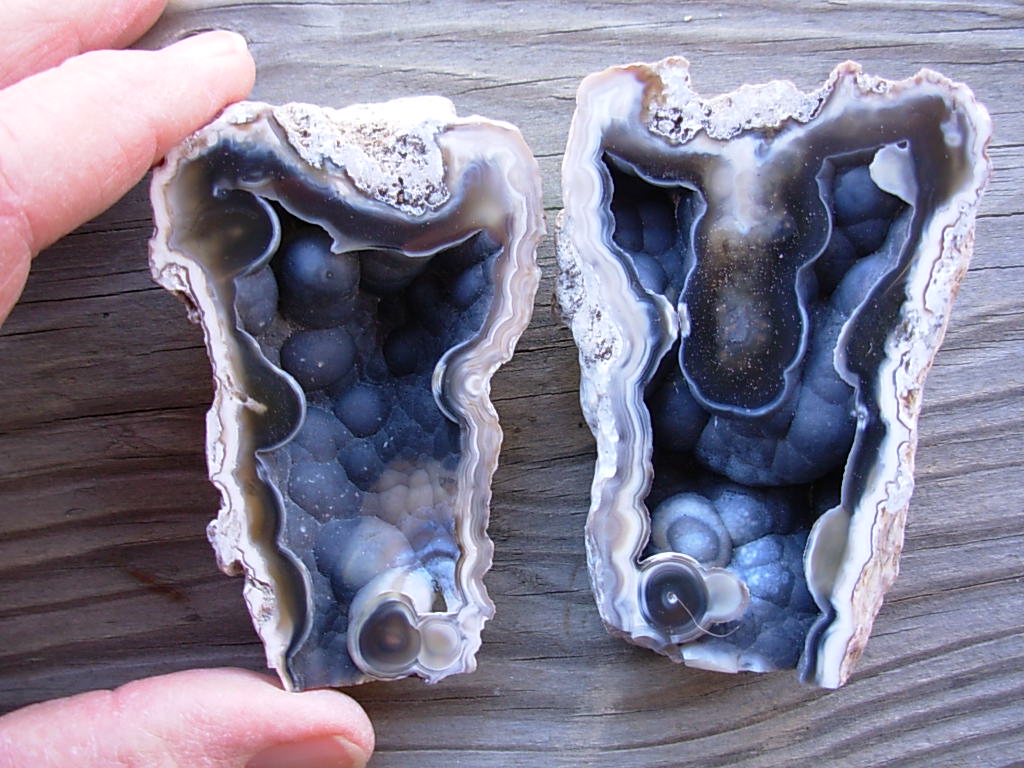
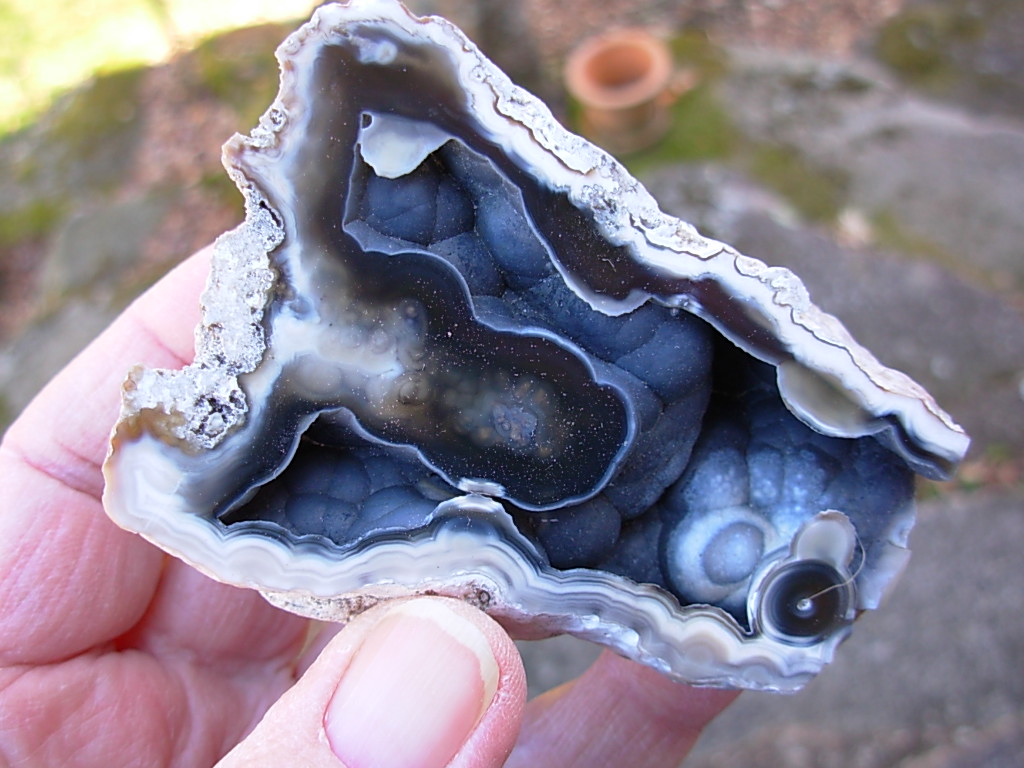
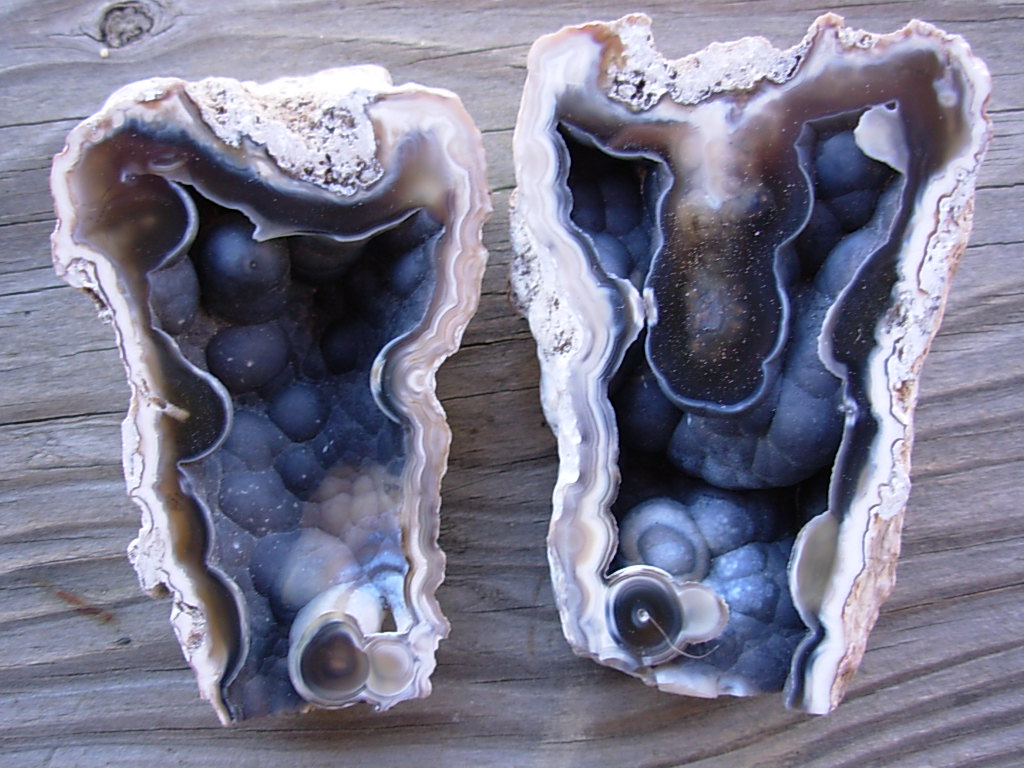
Item # 13ACLR02170001
Tampa Bay Ballast Point Fossilized Coral Agate Pair from Roders Coral Museum
$80.00
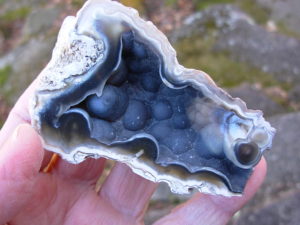
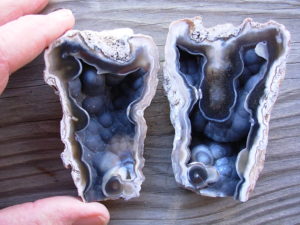
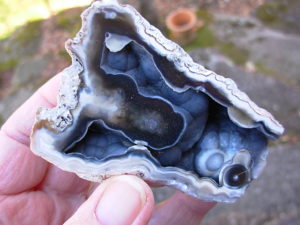
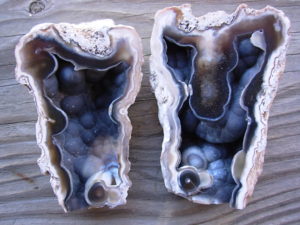
This is an excellent cut specimen pair of a fully agatized fossil coral from the Roder Coral Museum. This specimen has dark honey edges with large white and blue-grey-black botryoidal agate formations in the vugs. This coral was cut and polished at the Roder's Rock Shop and Coral Museum.
This specimen pair weighs 6.2 oz or 0.39 lb (177g) the halves measures 2.9 x 2.1 x 1.2 inches (7.6 x 5.5 x 3.1cm) and 3.1 x 2 x 0.8 inches (8 x 5.1 x 2.1cm)

Item # 14ACLR02170001
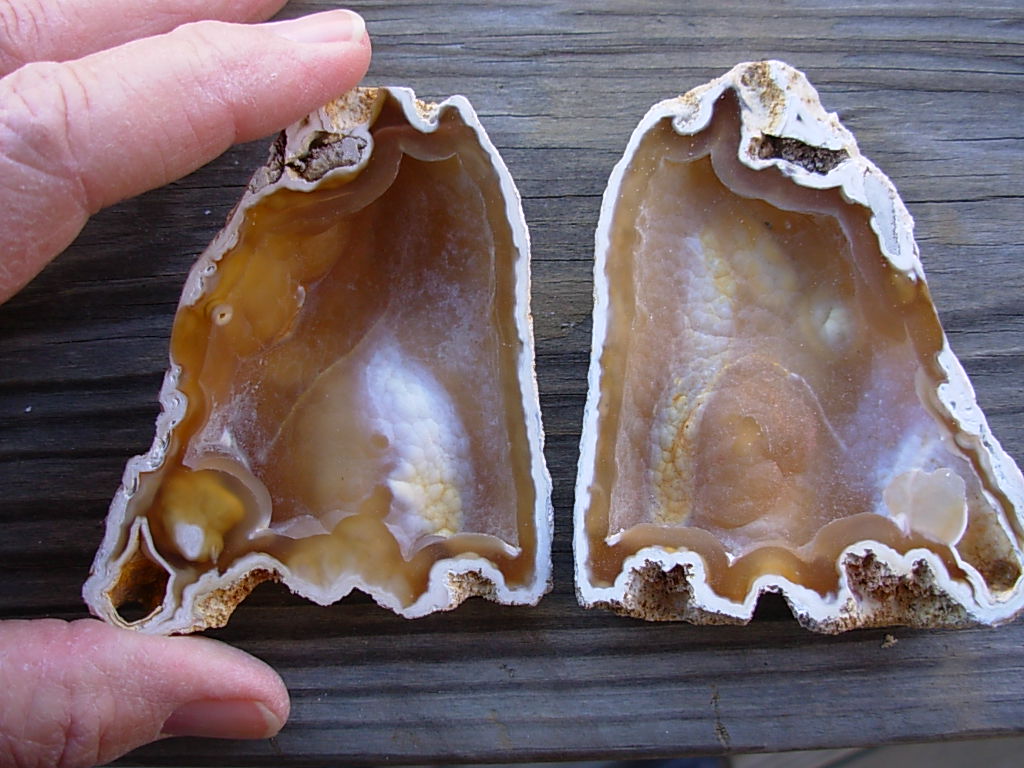
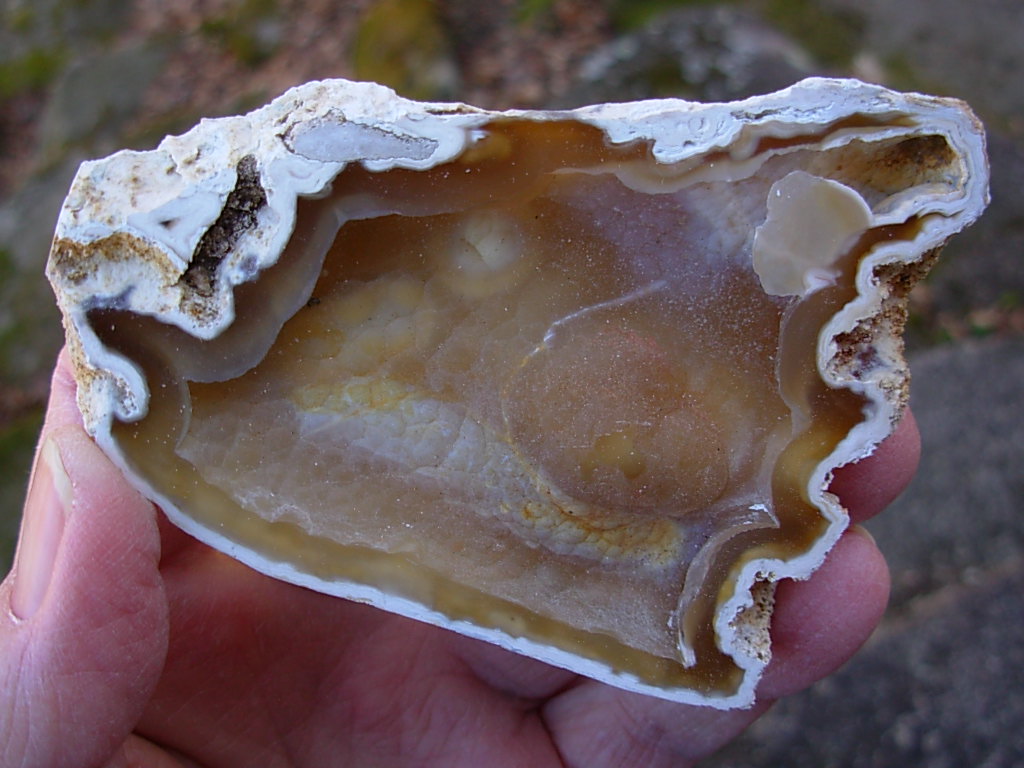
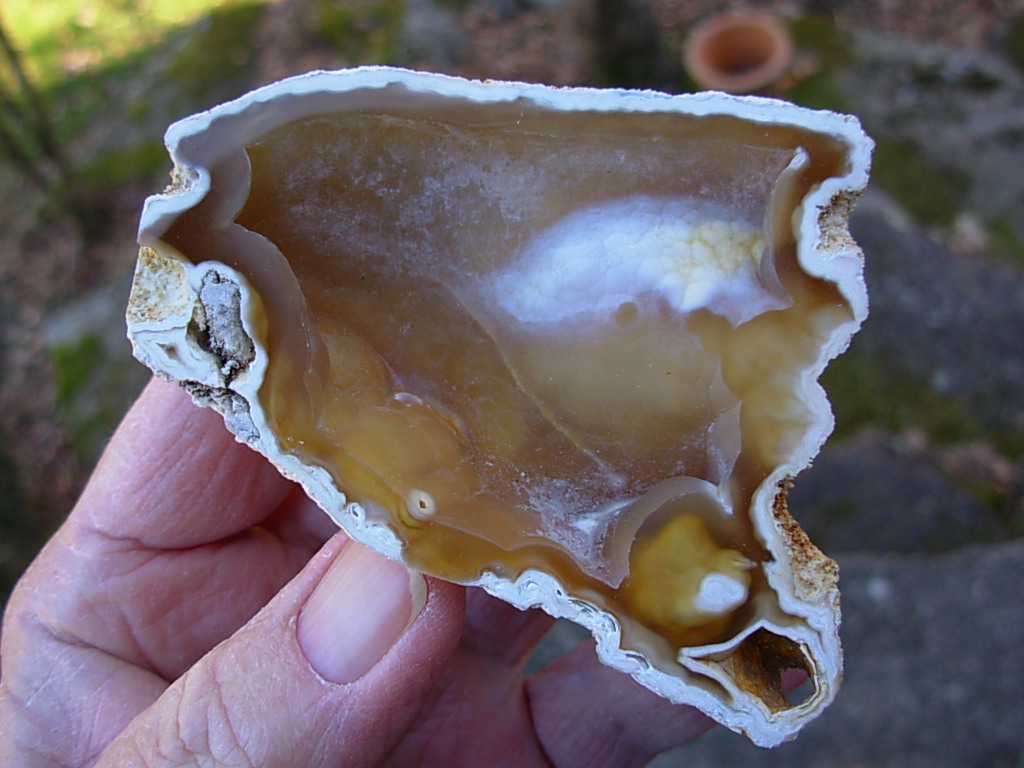
Tampa Bay Ballast Point Fossilized Coral Agate Pair from Roders Coral Museum
$50.00
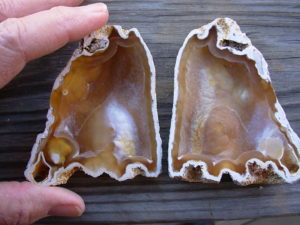
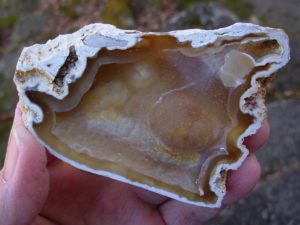
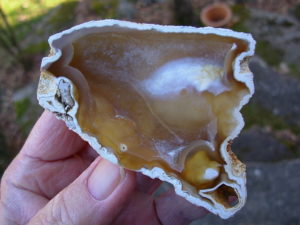
This is an excellent cut specimen pair of a fully agatized fossil coral from the Roder Coral Museum. This specimen has honey edges with honey and cream minor botryoidal agate formations in the vugs. This coral was cut and polished at the Roder's Rock Shop and Coral Museum.
This specimen pair weighs 5 oz or 0.31 lb (143g) the halves measures 3.6 x 2.5 x 1 inches (9.3 x 6.3 x 2.5cm) and 3.7 x 2.5 x 0.6 inches (9.5 x 6.5 x 1.7cm)